
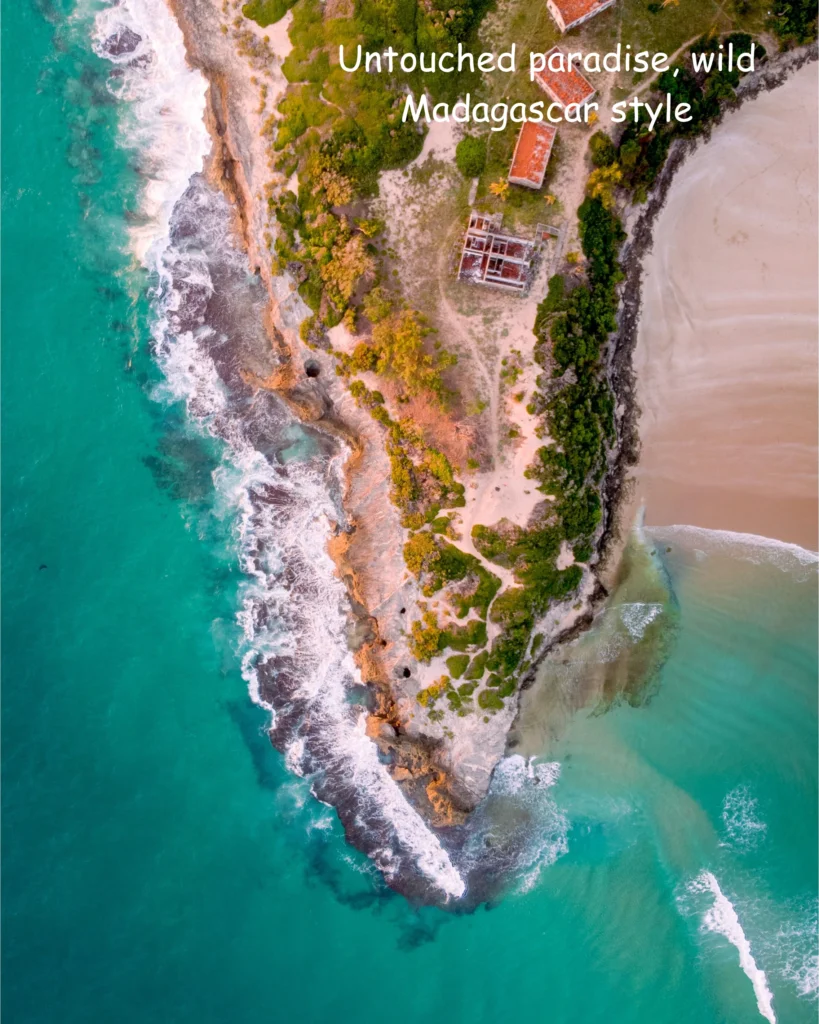
Ifaty, Madagascar is one of those places that quietly outshines its own reputation. Long before Nosy Be became Madagascar’s postcard-famous island escape, Ifaty Madagascar was already the coastal secret whispered about by overlanders, divers, and safari operators heading south from Antananarivo. This is not a manicured resort strip — it’s a real Vezo fishing village where dugout canoes still line the sand, baobab trees stand like ancient sentinels a short drive inland, and the Great Reef of Toliara turns the lagoon a shade of turquoise that photographs never quite capture.
This complete travel guide to Ifaty, Madagascar is built for international travellers — including a growing number of Indian visitors discovering Madagascar as an off-beat 2026 destination — who want more than a rushed weekend. Below, you’ll find everything from the best time to visit and where to stay, to a ready-made 2-day itinerary, a realistic budget guide, and honest travel tips. If you’re also mapping out the rest of your trip, our Madagascar travel guide covers the bigger picture, from Antananarivo to Isalo National Park.
Table of Contents
Introduction to Ifaty, Madagascar
Ifaty is technically the name of a wider coastal stretch made up of several small settlements, the best known being Mangily. Together they form what most travellers simply call Ifaty Madagascar — a barefoot, unpolished beach destination where the pace of life is set by the tide and the fishing boats, not by tour buses. Ifaty is a small Vezo fishing village on Madagascar’s southeastern coast, and while a handful of hotels line the beachfront, most of the local Vezo community still lives a traditional fishing lifestyle, with reed houses and hand-carved outrigger canoes known as pirogues.
What makes Ifaty stand out on Madagascar’s long, varied coastline is the combination of a sheltered coral lagoon for swimming and snorkeling, a genuinely wild spiny forest just inland filled with baobabs and lemurs, and a slow, honest village atmosphere that’s increasingly hard to find elsewhere on the island. It’s this mix — beach, biodiversity, and culture in one small radius — that keeps Ifaty near the top of most southern Madagascar itineraries.
Where Is Ifaty, Madagascar?
Ifaty sits on Madagascar’s southwestern coast, facing the Mozambique Channel, in the Atsimo-Andrefana region. It lies roughly 27 km (about a 30–45 minute drive) north of Toliara (Tuléar), the main gateway city for southern Madagascar, along the sealed RN9 highway. If you’re picturing Madagascar as one island with lush rainforest everywhere, Ifaty will surprise you — this part of the country is dry, arid, and covered in the strange, thorny “spiny forest” ecosystem found nowhere else on Earth.
For context on a map: Antananarivo, Madagascar’s capital, is roughly 950 km northeast of Ifaty by road (a multi-day drive), which is why almost everyone reaches Ifaty by a short domestic flight to Toliara Airport (TLE) followed by a road transfer. We cover the full route in the “How to Reach Ifaty” section below.
Best Time to Visit Ifaty
Choosing the best time to visit Ifaty comes down to two things: weather and whales.
May to October — the dry season (recommended)
Southern Madagascar’s dry season runs roughly from May to October, bringing cooler temperatures, low humidity, and long stretches of sunshine — ideal for beach days, snorkeling, and exploring the spiny forest without wilting in the heat. This is also, comfortably, the best time to visit Ifaty for first-time travellers.
July to September — whale-watching season
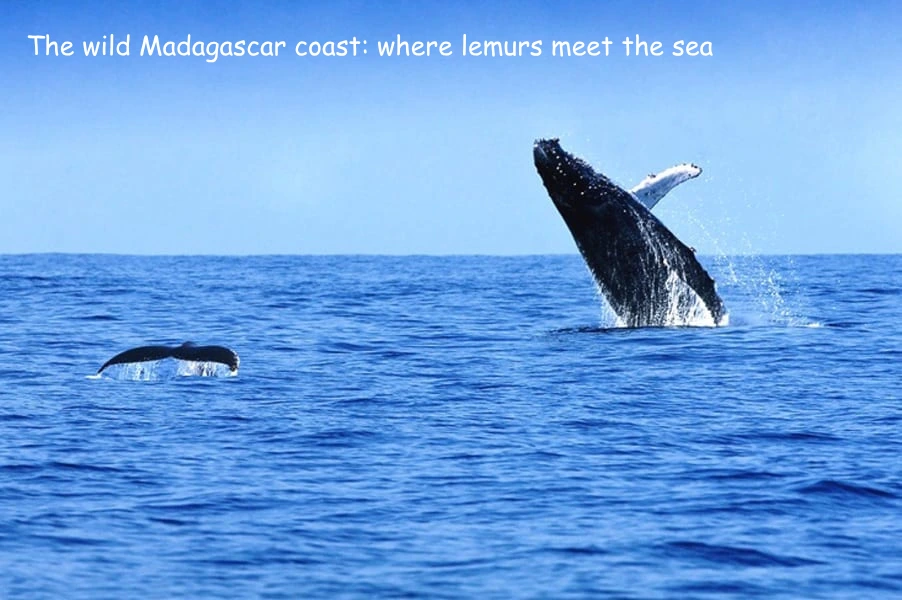
If seeing humpback whales is on your list, plan your Ifaty trip for July through September. Boat operators run dedicated whale-watching trips as the humpbacks migrate through the Mozambique Channel to breed in Madagascar’s warm coastal waters, often coming remarkably close to small boats.
November to April — hot, wet, and cyclone-prone
The southern hemisphere summer brings higher humidity and the risk of cyclones, particularly between January and March. It’s not impossible to visit, but roads can be affected and outdoor activities less predictable — so most seasoned travellers avoid this window.
Top Things to Do in Ifaty
Here’s a rundown of the best things to do in Ifaty — from underwater adventures to dryland walks among baobabs.
1. Snorkel or dive the Great Reef of Toliara
Ifaty’s offshore lagoon is part of the Great Reef of Toliara, one of the largest barrier reef systems in the Indian Ocean. The calm, shallow waters of the Ranobe Lagoon make it beginner-friendly for snorkelers, while dive centers on the beach run trips to deeper sites for certified divers, with visibility often exceeding 20–30 metres and sightings of colourful reef fish, rays, and the occasional turtle.
2. Go whale watching (July–September)
Humpback whales migrate through the channel off Ifaty to give birth in warmer waters, and small boat tours from the beach offer front-row seats to breaching and tail-slapping giants. Dolphin sightings are common on these trips too.
3. Walk among baobabs at the Reniala Reserve
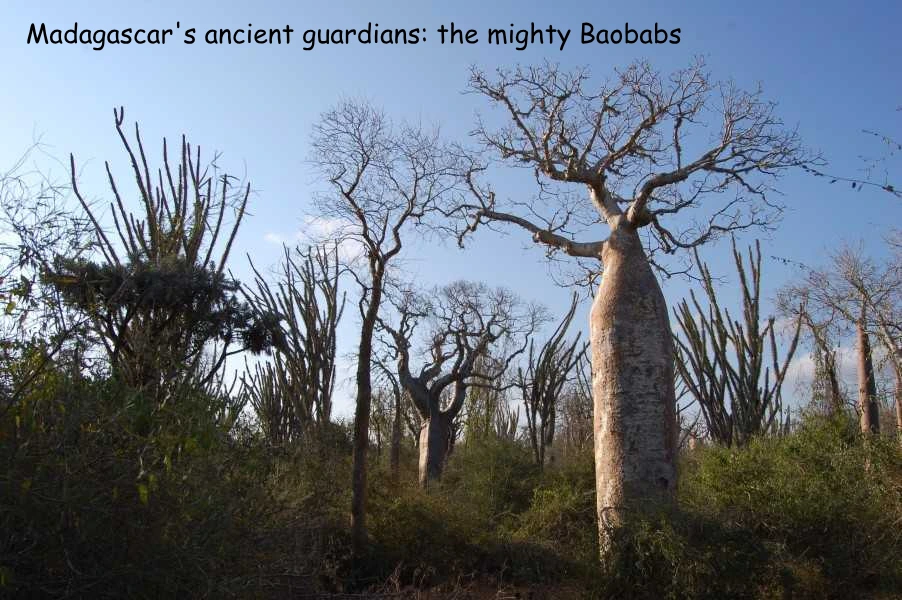
Just inland from the beach, the Reniala Reserve — whose name means “mother of the forest” — protects a patch of spiny forest packed with ancient baobab trees, chameleons, geckos, and a lemur rehabilitation area. A guided walk here (early morning is best for wildlife) is one of the most memorable things to do in Ifaty, and a fascinating contrast to the beach just a few minutes away.
4. Meet the Vezo fishing community
The Vezo people have fished these waters for generations using traditional outrigger canoes called pirogues. Watching the fleet head out at dawn, or return with the day’s catch, offers a genuine (not staged) glimpse into coastal Malagasy life. Some operators arrange short pirogue trips or fishing excursions with local guides.
5. Try kitesurfing or windsurfing
Steady southern trade winds, particularly from April to November, have made this stretch of coast a growing kitesurfing and windsurfing destination, with shallow, warm lagoon water that’s forgiving for learners.
6. Relax on Mangily Beach
Sometimes the best thing to do is nothing at all. Mangily Beach, Ifaty’s main beach strip, is lined with palm-thatched restaurants and bars where you can watch the tide roll in over fresh coconut water or a cold Malagasy beer.
Top Tourist Spots in and Around Ifaty
- Mangily Beach — the main beach of Ifaty, with soft sand, calm water, and easy access to reef snorkeling.
- Reniala Reserve — private spiny-forest reserve famous for baobabs, chameleons, and a lemur conservation area.
- Ranobe Lagoon — the sheltered reef lagoon fronting Ifaty, ideal for snorkeling, diving, and boat trips.
- Massif des Roses — a scenic coral formation offshore, popular for snorkeling day trips.
- Antsokay Arboretum — a botanical garden near Toliara showcasing over 900 species of spiny-forest plants, easily combined with an Ifaty trip.
Where to Stay: Ifaty Hotels and Resorts
Ifaty hotels and resorts range from simple beach bungalows to boutique properties — you won’t find high-rise luxury chains here, and that’s part of the charm.
Budget stays
Simple beach bungalows and guesthouses around Mangily offer fan-cooled rooms, mosquito nets, and easy beach access, generally the most wallet-friendly way to experience Ifaty.
Mid-range beachfront hotels
Hotels such as La Bella Donna are well regarded for their beachfront setting, relaxed atmosphere, and good food, and are a common base for divers and snorkelers.
Boutique and luxury options
Properties like Le Paradisier, Les Dunes d’Ifaty, and Hotel Solidaire Mangily offer a step up in comfort — think thatched-roof villas, sea-view terraces, and on-site restaurants — while still keeping the low-key, barefoot-luxury feel that defines Ifaty.
Whichever category you choose, book directly with the hotel or through a Madagascar-based operator where possible, as connectivity and payment systems in Ifaty are still developing compared to major resort islands.
Food to Try in Ifaty
Malagasy coastal cuisine leans heavily on the day’s catch, and Ifaty delivers some of the freshest seafood in the country.
- Grilled fish and seafood — red snapper, calamari, prawns, and lobster, usually grilled and served with lime and rice.
- Vary sy laoka — Madagascar’s everyday combo of rice (vary) with a side dish (laoka), often fish, chicken, or vegetables in a light sauce.
- Ravitoto — pounded cassava leaves cooked with pork or zebu (Malagasy cattle), a national comfort food worth trying at least once.
- Zebu steak — Madagascar’s humped cattle produce a lean, flavourful beef found on most restaurant menus.
- THB (Three Horses Beer) — Madagascar’s popular local lager, best enjoyed ice-cold at a beach bar.
- Rum arrangé — Malagasy spiced rum infused with local fruit, vanilla, or ginger — a distinctive after-dinner sip.
How to Reach Ifaty
Understanding how to reach Ifaty is one of the most important parts of planning this trip, since it’s genuinely off the main tourist grid.
By air (recommended)
Most international travellers, including those flying from India, first land at Ivato International Airport (TNR) in Antananarivo, usually connecting via hubs like Nairobi, Addis Ababa, or Mauritius. From Antananarivo, take a short domestic flight to Toliara Airport (TLE); several flights a week connect the two cities. From Toliara, it’s roughly a 30–45 minute taxi or private transfer along the RN9 to Ifaty.
By road
If you’re already exploring southern Madagascar — say, coming from Isalo National Park — you can reach Toliara by road and then continue to Ifaty by taxi or private car in under an hour on the paved RN9. Budget travellers sometimes use the local shared minivans known as “taxi-brousse,” which are cheap but crowded and best suited to those with flexible time.
Visa requirements for Indian and other international travellers
Indian passport holders need a visa to enter Madagascar, available as an e-visa in advance or as a visa on arrival at Ivato International Airport. Tourist visas allow stays of up to 90 days. You’ll need a passport valid for at least six months beyond your travel dates, a return ticket, and proof of accommodation. For the latest requirements, check the Embassy of India in Antananarivo before you fly, and see our Africa visa guide for Indian travellers for a broader overview.
Ifaty, Madagascar Budget Guide
Ifaty is inexpensive by international standards, though costs are creeping up as tourism grows. Here’s a rough daily budget guide (per person, excluding international flights):
- Backpacker / budget: USD 25–45 per day — basic beach bungalow, local meals, occasional snorkeling gear rental.
- Mid-range: USD 60–120 per day — comfortable beachfront hotel, restaurant meals, one or two paid activities like a reef tour.
- Luxury: USD 150+ per day — boutique villa, private guided excursions, whale-watching or dive packages included.
Add roughly USD 30–60 for a return domestic flight leg between Antananarivo and Toliara, plus local taxi transfers to Ifaty (often USD 15–25 depending on negotiation and vehicle type). Carry Malagasy Ariary in cash for smaller vendors, as card acceptance is limited outside larger hotels.
Suggested 2-Day Itinerary for Ifaty
Short on time? This 2-day Ifaty itinerary hits the highlights without feeling rushed.
Day 1: Reef and reserve
- Morning: Arrive from Toliara, check into your hotel, and relax on Mangily Beach.
- Midday: Book a snorkeling boat trip out to the Ranobe Lagoon or Massif des Roses.
- Afternoon: Fresh grilled seafood lunch at a beachside restaurant.
- Evening: Sunset stroll along the beach to watch the Vezo fishing pirogues come in, followed by dinner and a THB beer.
Day 2: Baobabs and beach time
- Early morning: Guided walk through the Reniala Reserve to spot baobabs, chameleons, and lemurs before the heat sets in.
- Late morning: Return to the beach for a swim or a short kitesurfing lesson.
- Afternoon: If it’s whale season (July–September), take an afternoon whale-watching boat trip.
- Evening: Farewell dinner featuring ravitoto or zebu steak, and rum arrangé to close out the trip.
Have an extra day? Add a side trip to Anakao or the Antsokay Arboretum near Toliara — both are covered in the “Nearby Attractions” section below.
Travel Tips for Visiting Ifaty
- Malaria precautions: Malaria is present in coastal Madagascar. Speak to a travel doctor about prophylactic medication, use DEET repellent, and sleep under a mosquito net.
- Carry cash: Card machines are unreliable outside the larger hotels; withdraw Malagasy Ariary in Toliara before heading to Ifaty.
- Sun and water protection: The southern sun is intense year-round — pack reef-safe sunscreen, a hat, and reusable water bottles.
- Respect Vezo customs: Ask before photographing locals or their boats, and dress modestly when walking through the village away from the beach.
- Book activities locally: Whale-watching, diving, and reserve tours are best arranged directly through your hotel or a licensed local operator once you arrive.
- Travel insurance: Medical facilities are limited outside Antananarivo, so comprehensive travel insurance with medical evacuation cover is strongly recommended.
Nearby Attractions Around Ifaty
Ifaty pairs naturally with a few other southern Madagascar highlights:
- Toliara (Tuléar): The regional hub, 27 km south, with markets, the airport, and the Antsokay Arboretum.
- Anakao: A more remote beach village accessible by boat, known for diving, kitesurfing, and an even quieter atmosphere than Ifaty.
- Isalo National Park: A dramatic sandstone canyon landscape roughly a half-day’s drive inland, popular for hiking and lemur spotting.
- Antsokay Arboretum: A botanical reserve near Toliara showcasing hundreds of spiny-forest plant species.
Planning a longer loop through the south? Our guide to Africa’s best beaches and best time to visit Africa articles can help you fit Ifaty into a wider itinerary.
Frequently Asked Questions About Ifaty, Madagascar
Is Ifaty, Madagascar worth visiting?
Yes — Ifaty offers a rare combination of coral-reef snorkeling, baobab forests, and an authentic Vezo fishing village atmosphere, all within a short drive of Toliara, making it one of southern Madagascar’s most rewarding coastal stops.
How many days do you need in Ifaty?
Two to three days is enough to cover the beach, the Reniala Reserve, and a snorkeling or whale-watching trip. Add extra days if you want to dive multiple sites or take a side trip to Anakao.
Do Indian travellers need a visa for Ifaty, Madagascar?
Yes, Indian citizens need a Madagascar visa, obtainable as an e-visa before travel or as a visa on arrival at Ivato International Airport in Antananarivo, valid for stays of up to 90 days on a tourist visa.
What is the best time to visit Ifaty for whale watching?
July to September is the peak window for humpback whale sightings off Ifaty, as whales migrate through the Mozambique Channel to breed in warmer coastal waters.
How do you get from Antananarivo to Ifaty?
Fly from Antananarivo (TNR) to Toliara (TLE), then take a 30–45 minute taxi or private transfer along the paved RN9 road to Ifaty.
Is Ifaty safe for solo and international travellers?
Ifaty is generally considered safe and welcoming, with a small, tourism-familiar community. Standard travel precautions apply — carry cash discreetly, avoid walking alone at night away from your hotel, and arrange transport and tours through reputable local operators.
Final Thoughts on Ifaty, Madagascar
Ifaty, Madagascar rewards travellers who are willing to trade a bit of convenience for authenticity. There’s no glossy resort strip here — just a reef full of colour, a forest full of ancient baobabs, a fishing village that hasn’t changed its rhythm for generations, and, for a few months a year, some of the best whale watching in the Indian Ocean. Whether you’re planning a two-day add-on to a wider Madagascar trip or making Ifaty the heart of your itinerary, this stretch of the southwest coast delivers an experience that’s hard to find anywhere else on the island. For more southern Madagascar inspiration, explore our full Madagascar travel guide on RydeTravel.

Leave a Reply