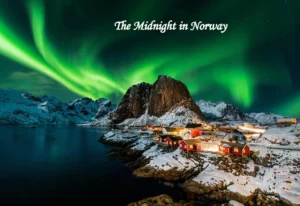
✈️ Quick Take: Norway travel guide 2026 is best visited on a Schengen visa with a mid-range budget of ₹8,000–₹12,000/day, timing your trip to either summer (May–Aug) for the Midnight Sun or winter (Oct–Mar) for the Northern Lights.
✈️ Key Highlights:
- Indian travellers need a Schengen visa — apply 3–4 weeks ahead via VFS Global, and book the Norway in a Nutshell tour (Oslo–Bergen fjord route) in advance.
- Best value season is shoulder months (May & September) — fewer crowds, lower hotel rates, and still good fjord/light visibility.
- Insider tip: Carry a Norwegian eSIM/prepaid SIM and use the Oslo Pass — public transport and groceries are pricier than flights and hotels, so budget food costs separately.
To book your accomadation, click here. To Book Local Travel, click here. To book your Travel insurance here
Traveling Overseas: Click here to buy an eSIM. For more info on eSIM, click here
Table of Contents
Norway Tourist Places 2026 worth visiting include Oslo, Bergen (Bryggen), Geirangerfjord, the Lofoten Islands, Tromsø, Preikestolen (Pulpit Rock), and the Flåm Railway — best covered in a 10-day fjords-and-cities itinerary between May–September for mild weather or October–March for the Northern Lights. Indian tourists and business travellers need a Schengen Type-C visa (~₹9,500–10,500 fee, processed in about 15 days via VFS Global), and should budget roughly ₹7,000–₹12,000 per day for hotels, local transport, and food.
Norway isn’t a place you rush through — and that’s exactly why it keeps landing on Indian travellers’ bucket lists in 2026. Between the fjords carved by ancient glaciers, wooden Hanseatic wharves that have survived four centuries of fires, and cities that somehow feel both futuristic and folk-tale, it’s a country that rewards a little planning. Whether you’re a family plotting a summer holiday, a couple chasing the aurora, or a business traveller squeezing in a weekend at the fjords after a Oslo conference, this guide walks you through where to go, how to get there, what to pack, and who to trust for tickets and stays.
Book Your Tour Package in Norway
Top Tourist Places in Norway 2026 (With a Bit of History)
- Bryggen, Bergen — A row of colourful wooden merchant houses on Bergen’s harbour, and a UNESCO World Heritage Site. It dates back to the 14th century when Bergen was a key Hanseatic League trading post, and several buildings have survived repeated fires and rebuilds since.
- Geirangerfjord — One of Norway’s most photographed fjords and also UNESCO-listed, known for the Seven Sisters waterfall and centuries-old abandoned farms clinging to the cliffs.
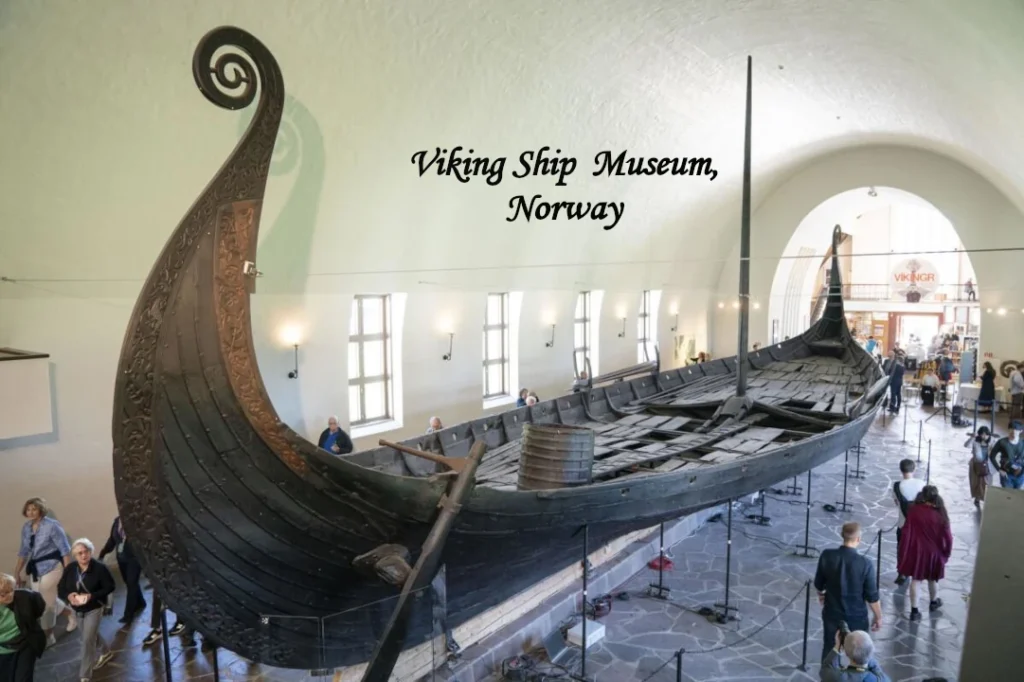
- Oslo — Vigeland Park & Viking Ship Museum — Vigeland Park holds over 200 sculptures by Gustav Vigeland, while the Viking Ship Museum (reopening in phases as the new Museum of the Viking Age) houses actual 9th-century burial ships.
- Preikestolen (Pulpit Rock) — A flat-topped cliff rising 604 metres above Lysefjord, formed by glacial erosion roughly 10,000 years ago; today it’s one of Norway’s most-hiked natural landmarks.
- Lofoten Islands — A dramatic archipelago of fishing villages, jagged peaks, and centuries-old cod-drying traditions still practised today.
- Tromsø — Known as the “Gateway to the Arctic,” home to the Arctic Cathedral and among the most reliable spots on earth to see the Northern Lights.
- Flåm Railway (Flåmsbana) — Engineering approved in 1908 and completed in 1940, this 20-km railway is considered one of the most scenic train journeys in the world.
- Nidaros Cathedral, Trondheim — Scandinavia’s largest medieval building, built over the burial site of King Olav II and still Norway’s most important pilgrimage church.
Top Tourist Places in Norway 2026 (With a Bit of History)
Norway pairs dramatic natural scenery with a history that stretches from Viking longships to Hanseatic trading posts. Whether you’re chasing the Northern Lights, hiking to a cliff-top viewpoint, or wandering a UNESCO-listed harbour, here are eight places that belong on any 2026 Norway itinerary — along with the history behind them and practical tips for visiting.
1. Bryggen, Bergen
Bryggen is the row of colourful, gabled wooden merchant houses lining Bergen’s harbour, and one of Norway’s most photographed sights. It’s been a UNESCO World Heritage Site since 1979, recognised for being one of the best-preserved examples of a traditional wooden trading settlement in Northern Europe.
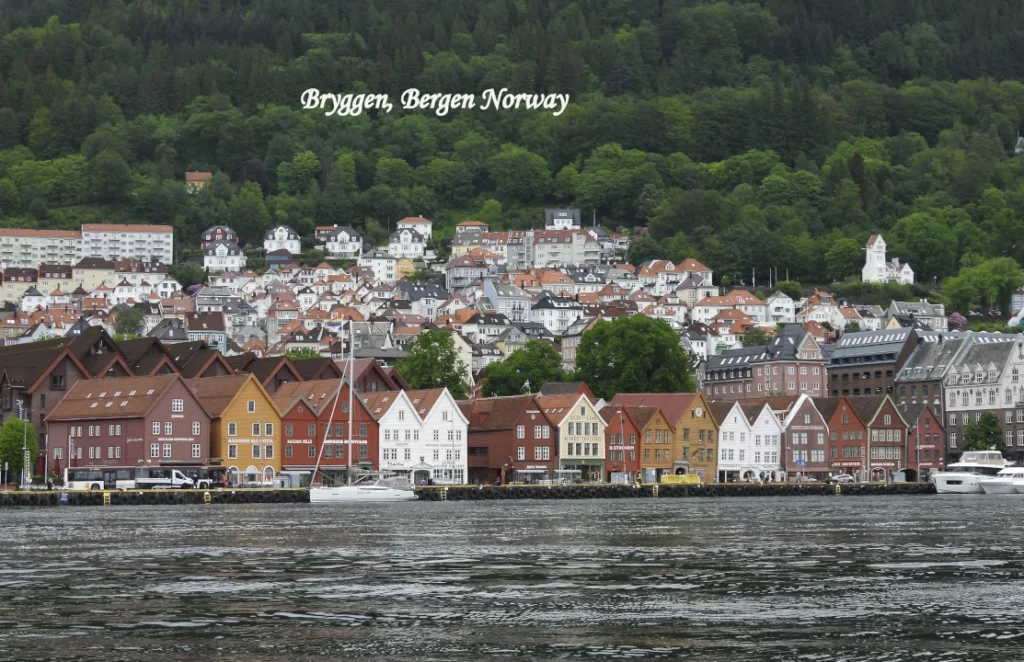
The site dates back to the 14th century, when Bergen became a key overseas office of the Hanseatic League, the powerful network of merchant guilds that dominated trade across Northern Europe. German traders lived and worked in Bryggen’s narrow wooden buildings, dealing mainly in dried cod (stockfish) shipped down from Lofoten. Fire has repeatedly swept through the area — most notably in 1955 — and each time the buildings were rebuilt following the same medieval layout, which is why the surviving structures still trace their footprint back to the 12th century, even though most of the wood you see today is centuries newer than that.
What to do there: Wander the narrow alleyways behind the front row of houses, visit the Hanseatic Museum to see how merchants and apprentices actually lived, and browse the small artisan shops and galleries now occupying the old trading houses. Bergen’s fish market (Fisketorget) sits right next to Bryggen and is worth combining into the same visit.
Best time to visit: Late spring to early autumn (May–September) for the driest weather — Bergen is Norway’s rainiest major city, so pack a waterproof jacket regardless of season.
Getting there: Fly into Bergen Airport, Flesland (BGN), which has direct connections from major European hubs and domestic flights from Oslo, Stavanger, and Trondheim. You can compare and book flights via Google Flights, Skyscanner, or directly with Norwegian Air and SAS.
2. Geirangerfjord
Geirangerfjord is one of Norway’s most photographed fjords, a narrow, 15-km stretch of water hemmed in by near-vertical cliffs that rise up to 1,400 metres. It was inscribed as a UNESCO World Heritage Site in 2005, alongside neighbouring Nærøyfjord, as an outstanding example of a fjord landscape shaped by glacial activity over millions of years.
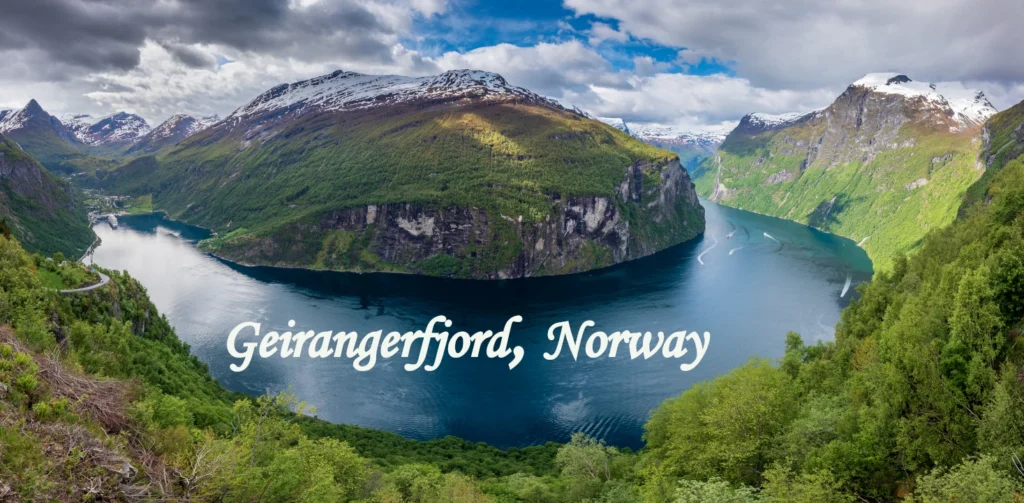
The fjord’s best-known feature is the Seven Sisters waterfall, a series of seven separate cascades tumbling down the cliff face, said in local folklore to be seven dancing sisters teasing a suitor waterfall on the opposite side. Scattered along the cliffs are the remains of small farms — some abandoned only a few generations ago, others dating back centuries — where families once raised goats and grew crops on impossibly steep terraces, accessible only by boat or via ladders bolted into the rock.
What to do there: Take a fjord cruise or ferry from Geiranger village for the classic view of the waterfalls and abandoned farms, or drive (or hike) the hairpin bends of the Eagle Road (Ørnevegen) and Trollstigen for a panoramic overlook.
Best time to visit: June to August, when the waterfalls are at their fullest from snowmelt and mountain roads are guaranteed to be open.
Getting there: The nearest airports are Ålesund (AES) and Molde (MOL), both reachable via connecting flights from Oslo. Search routes on Google Flights or Skyscanner, then continue by car or bus (roughly 2–3 hours) to Geiranger.
3. Oslo — Vigeland Park & Viking Ship Museum
Vigeland Park, inside Oslo’s larger Frogner Park, is the world’s largest sculpture park made by a single artist. It holds more than 200 bronze, granite, and wrought-iron works by Norwegian sculptor Gustav Vigeland, created between roughly 1907 and 1942. The centrepiece is the 14-metre Monolith, a single column of intertwined human figures carved from one block of granite — a project that reportedly took three stonemasons over a decade to complete.
A short trip across the Oslofjord on the Bygdøy peninsula, the Viking Ship Museum houses genuine 9th-century Viking burial ships — the Oseberg, Gokstad, and Tune ships — excavated from Norwegian burial mounds along with grave goods that give a rare, intact glimpse into Viking Age craftsmanship and belief. The museum is currently being reimagined as the new Museum of the Viking Age, reopening to the public in phases as construction continues.
What to do there: Combine a morning in Vigeland Park with an afternoon on Bygdøy, which also has the Fram Museum (polar exploration) and the Norwegian Museum of Cultural History nearby.
Best time to visit: Vigeland Park is open year-round and free to enter; May to September offers the best weather for walking the grounds.
Getting there: Oslo Airport, Gardermoen (OSL) is Norway’s main international gateway, with direct flights from across Europe, North America, and Asia. Compare fares on Google Flights, Kayak, or Skyscanner.
4. Preikestolen (Pulpit Rock)
Preikestolen is a flat-topped cliff that juts out 604 metres above Lysefjord, with a near-vertical drop on three sides. Geologists believe the plateau was formed by glacial erosion during the last Ice Age, roughly 10,000 years ago, as retreating ice sheets froze and cracked the bedrock along natural fault lines, eventually shearing away the surrounding rock and leaving the flat platform standing.
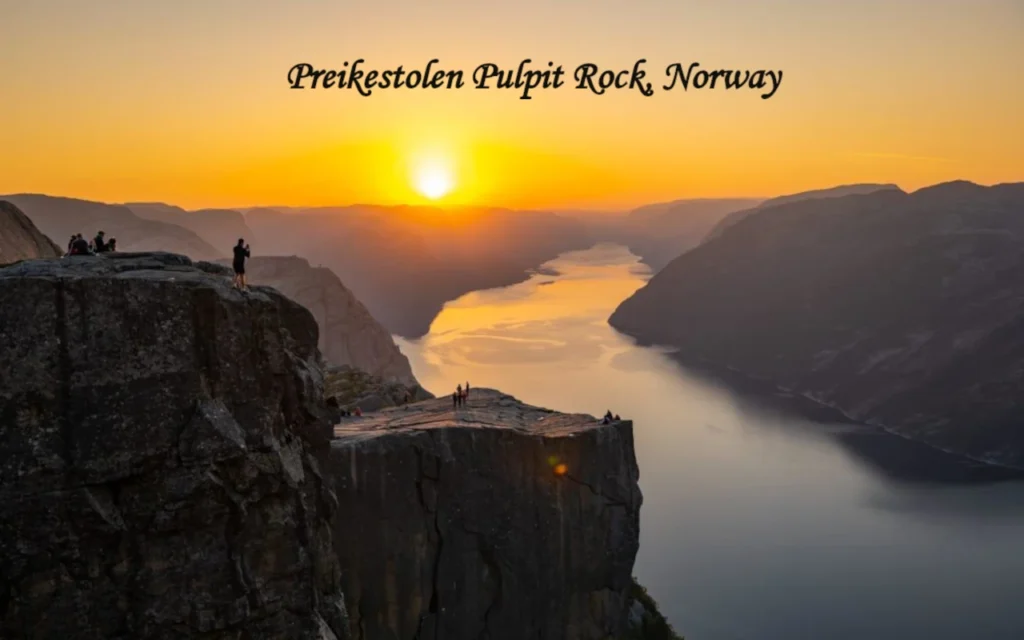
Today it’s one of Norway’s most-hiked natural landmarks, drawing hundreds of thousands of visitors a year. The round-trip hike from the Preikestolen Fjellstue trailhead covers about 8 km and 350 metres of elevation gain, typically taking 4–5 hours, over a mix of stone-paved sections (added in recent years to reduce erosion) and rougher terrain.
What to do there: Hike to the plateau for fjord views, or see it from below on a Lysefjord boat cruise from Stavanger for a different (and easier) perspective.
Best time to visit: April to October — the trail can be icy and dangerous outside this window, and winter hikes require proper equipment and experience.
Getting there: Fly into Stavanger Airport, Sola (SVG), then take a ferry and bus (or drive) to the trailhead, about 1.5–2 hours total. Book flights via Google Flights or Skyscanner.
5. Lofoten Islands
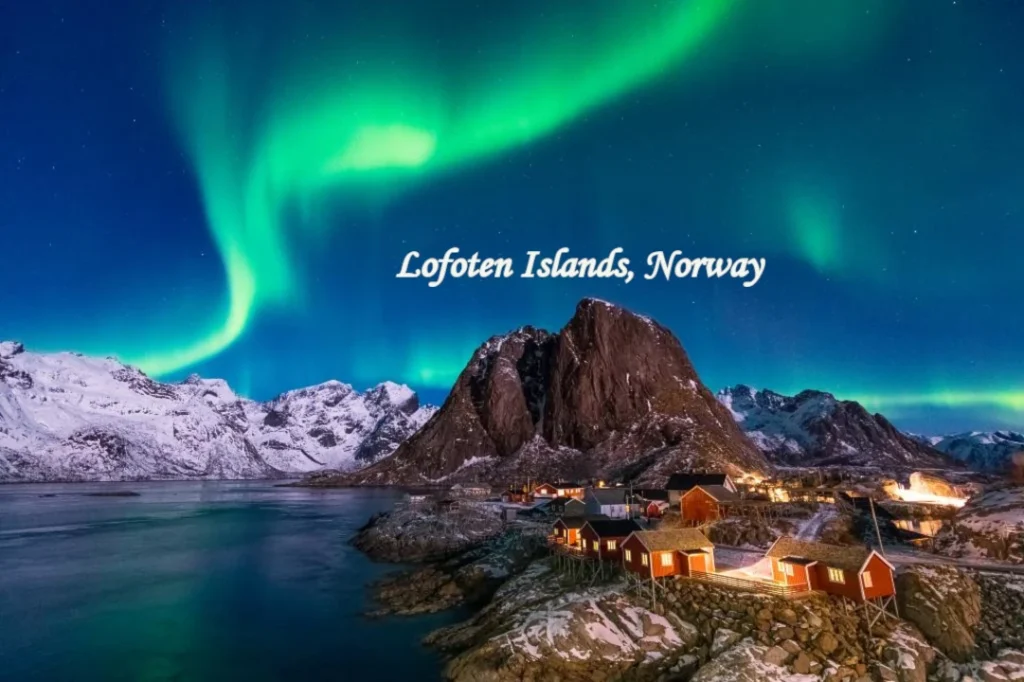
The Lofoten Islands are a dramatic archipelago north of the Arctic Circle, where jagged granite peaks rise straight out of the sea beside sheltered bays and red-painted fishing villages known as rorbuer. Fishing has shaped the islands’ identity for over a thousand years; wooden racks (hjeller) draped with drying cod are still a common sight, part of a stockfish tradition that supplied trade routes as far as Southern Europe during the Hanseatic era and continues today largely unchanged.
What to do there: Visit the fishing villages of Reine and Henningsvær, hike to viewpoints like Reinebringen, and — outside summer — watch for the Northern Lights, since Lofoten sits well within the auroral zone.
Best time to visit: Summer (June–August) for the midnight sun and hiking; late autumn through winter for the Northern Lights, though days are short and weather can be harsh.
Getting there: Fly into Leknes (LKN) or Svolvær (SVJ) via a connection through Bodø or Oslo. Check routes and prices on Google Flights or Skyscanner; domestic carrier Widerøe serves many of the smaller regional airports.
6. Tromsø
Known as the “Gateway to the Arctic,” Tromsø is a compact city of roughly 80,000 people, 350 km north of the Arctic Circle, with a university, a lively harbour, and a surprisingly mild climate for its latitude thanks to the Gulf Stream. Its striking Arctic Cathedral, completed in 1965, is known for its triangular, glacier-inspired design and enormous stained-glass mural.
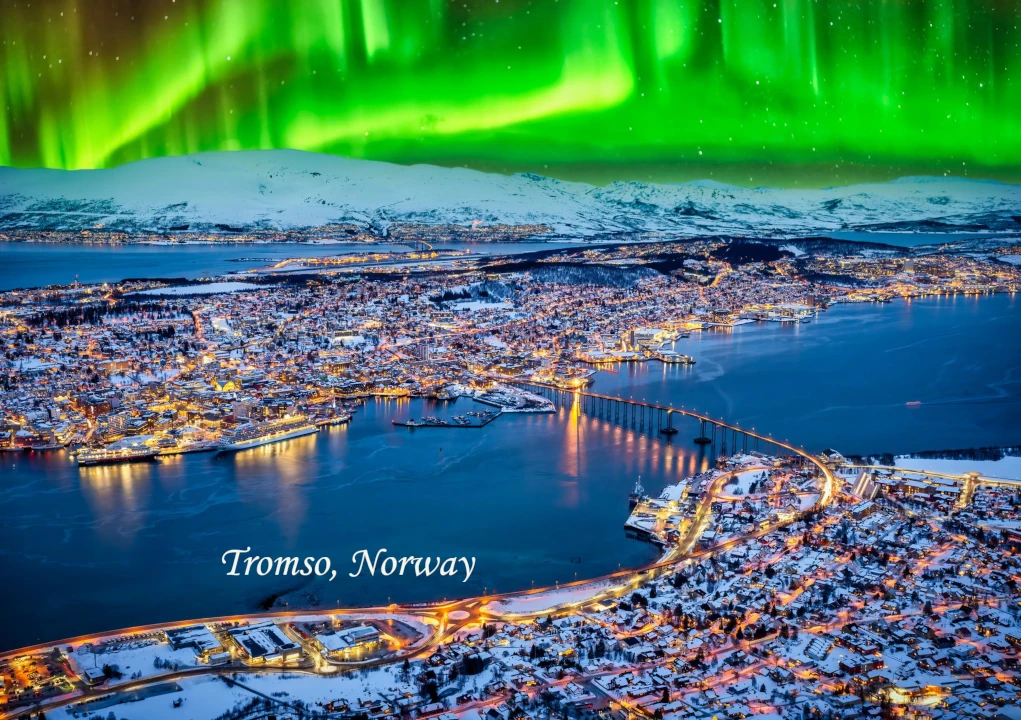
Tromsø is considered one of the most reliable places on Earth to see the Northern Lights, sitting directly beneath the auroral oval for much of the winter, with a long season running from roughly late September to early April.
What to do there: Take a Northern Lights tour outside the city lights, ride the Fjellheisen cable car for a panoramic view over the fjords, and visit the Polar Museum to learn about Arctic exploration and hunting history.
Best time to visit: September to April for aurora chances; June to August for the midnight sun and milder hiking weather.
Getting there: Tromsø Airport, Langnes (TOS) has direct flights from Oslo and several European cities in season. Search options on Google Flights or Skyscanner.
7. Flåm Railway (Flåmsbana)
The Flåm Railway is a 20-km branch line connecting the mountain village of Myrdal to the fjord-side village of Flåm, dropping roughly 866 metres in altitude along the way. Engineering work was approved in 1908, and after decades of manual construction through extremely steep terrain — including 20 tunnels dug largely by hand — the line was fully completed in 1940. It’s regularly ranked among the most scenic train journeys in the world, passing waterfalls, snow-capped peaks, and the dramatic Kjosfossen waterfall, where trains make a short stop for photos.
What to do there: Ride the full Myrdal–Flåm route (about an hour), and pair it with a Nærøyfjord cruise from Flåm for one of Norway’s classic “Norway in a Nutshell” style day trips.
Best time to visit: Year-round — the railway operates in winter too, though summer (May–September) offers the fullest waterfalls and longest daylight.
Getting there: Fly into Bergen (BGN) or Oslo (OSL), then reach Myrdal by train via the Bergen Railway before connecting to the Flåm line. Book international and domestic flights via Google Flights or Skyscanner.
8. Nidaros Cathedral, Trondheim
Nidaros Cathedral is Scandinavia’s largest medieval building, built over the burial site of King Olav II — later Saint Olav — who died in battle in 1030 and was canonised the following year. Construction began around 1070 and continued in stages for centuries, blending Romanesque and Gothic styles as the building was expanded, damaged by fires, and restored repeatedly through the medieval and modern periods.
The cathedral remains Norway’s most important pilgrimage church, marking the end point of the historic St. Olav Ways pilgrim routes that draw walkers from across Norway and Europe, much as they did in the Middle Ages.
What to do there: Tour the cathedral interior and its ornate west front facade, climb the tower for city views (seasonal), and visit the adjoining Archbishop’s Palace Museum.
Best time to visit: May to September for full opening hours and pleasant walking weather in Trondheim.
Getting there: Trondheim Airport, Værnes (TRD) has domestic flights from Oslo, Bergen, and Stavanger, plus some European routes. Compare options on Google Flights or Skyscanner.
10-Day Norway Itinerary 2026 (For Tourists & Business Travellers)
- Day 1–2: Oslo — Vigeland Park, Viking Age museum, Akershus Fortress; ideal base for business meetings too, given Oslo’s central conference infrastructure.
- Day 3: Oslo to Flåm — Scenic Bergen Railway plus the Flåm Railway via Myrdal.
- Day 4: Flåm & Nærøyfjord — Fjord cruise, “Norway in a Nutshell” round trip.
- Day 5–6: Bergen — Bryggen wharf, Fløyen funicular, fish market.
- Day 7: Bergen to Geirangerfjord — Travel via Ålesund or by scenic drive/coach.
- Day 8: Geirangerfjord — Seven Sisters waterfall cruise, Eagle Road viewpoint.
- Day 9: Fly to Tromsø — Arctic Cathedral, cable car, evening aurora chase (seasonal).
- Day 10: Tromsø to departure — Free morning for souvenirs, fly back via Oslo.
Business travellers on shorter trips can compress this into Oslo + one fjord town (Bergen or Flåm) over a long weekend — both are under 1.5 hours by air or a half-day scenic train from Oslo.
Travel Guidelines and Tips for Indian Travellers (2026)
- Visa: Indian passport holders need a Schengen Type-C visa. Apply through VFS Global India, register on the UDI Application Portal, and appear in person for biometrics. Fee is roughly EUR 90 (~₹8,300) plus a VFS service charge; total is typically ₹9,500–10,500. Apply at least 4–6 weeks in advance.
- Currency: Norway uses the Norwegian Krone (NOK), not the Euro. Cards are accepted almost everywhere; carry minimal cash.
- Best season: May–September for fjords, hiking, and the midnight sun; October–March for the Northern Lights (Tromsø, Lofoten).
- Connectivity: A local eSIM or prepaid SIM (Telenor/Telia) is far cheaper than international roaming.
- Business travel note: Norway ranks high on ease of doing business; most meetings run strictly on schedule, and casual-formal dress is standard even in corporate settings.
- Safety: Norway is consistently ranked among the safest countries globally, though weather-related risks (fjord ferries, mountain trails) call for checking local advisories before hikes.
Checklist for Families Travelling With Infants
- Carry the infant’s original birth certificate and a notarised travel consent letter if only one parent is travelling.
- Pack a compact, foldable stroller — Bryggen’s cobblestones and fjord-village paths aren’t always stroller-smooth.
- Confirm your Schengen travel insurance explicitly covers infants and includes emergency medical evacuation.
- Carry sufficient baby formula and familiar food; imported baby-food brands can be limited outside major cities.
- Check car seat requirements before renting a car — Norway mandates approved child seats for all under 135 cm.
- Book accommodation that explicitly lists a crib/cot rather than assuming availability.
- Pack layered thermal wear even in summer — coastal and fjord weather changes quickly.
Types of Tickets and Tour Plans Available
- City passes: Oslo Pass and Bergen Card bundle free museum entry with unlimited local transport.
- “Norway in a Nutshell”: A combined rail-fjord cruise-bus package covering Flåm, Myrdal, and Nærøyfjord in a single day or overnight trip.
- Coastal cruise packages: Multi-day Hurtigruten voyages along the coast, useful for covering Bergen to Tromsø without repeated flights.
- Self-drive tour plans: Rental car with a fixed fjord-route itinerary — flexible but requires comfort with mountain/tunnel driving.
- Small-group guided tours: Fixed-departure coach tours with an English-speaking guide, popular with first-time visitors and senior travellers.
Local Transport in Norway
- Ruter (Oslo & Akershus): Buses, trams, metro, and local ferries within Oslo — buy tickets via the Ruter app.
- Vy (national rail): Operates the Bergen Line and Flåm Railway; book early for scenic-route seats in peak season.
- Flytoget: The airport express train connects Oslo Airport to Oslo Central Station in about 20 minutes.
- Domestic flights: Widerøe, SAS, and Norwegian connect Oslo with Bergen, Tromsø, and other regional hubs quickly given Norway’s mountainous terrain.
- Car rentals: Useful for fjord-region flexibility, but factor in toll roads and ferry crossings on cross-country routes.
Trusted Tour Operators for Norway
- Fjord Tours — Specialists in the “Norway in a Nutshell” fjord-and-rail packages, official ticketing partner for the Flåm Railway route. fjordtours.com
- Hurtigruten Norway — Long-running Norwegian coastal cruise operator connecting Bergen to the far north, including Lofoten and Tromsø. hurtigruten.com
Preferred Hotels for Accommodation
- Grand Hotel Oslo by Scandic — Norway’s most iconic address since 1874, on Karl Johans Gate in the heart of Oslo, walking distance from the Royal Palace and Central Station. grand.no
- Hotel Norge by Scandic, Bergen — A long-standing city-centre hotel close to Bryggen wharf and the fish market, convenient for both leisure and business stays. scandichotels.com
Food Facilities Inside the Tourist Places
- Bryggen, Bergen: Seafood restaurants and the historic Fish Market (Fisketorget) right along the harbour.
- Flåm Railway: No dining on board, but Flåm Station and Café Rallaren at Myrdal Station offer refreshments.
- Oslo city centre: Wide range from Nordic fine dining to budget-friendly food halls (Mathallen, Vippa).
- Geirangerfjord: Cafés and restaurants cluster near the harbour and cruise-ship dock, with mostly seasonal opening hours.
- Tromsø: Arctic-themed restaurants serving reindeer and king crab; several open late for aurora-chasing travellers.
Frequently Asked Questions — Norway Tourist Places 2026
1. Do Indian citizens need a visa to visit Norway in 2026?
Yes. Indian passport holders need a Schengen Type-C visa, applied for through VFS Global India after registering on the UDI Application Portal. Processing typically takes around 15 calendar days.
2. What is the best time to visit Norway from India?
May to September is ideal for fjords, hiking, and the midnight sun, while October to March is better for chasing the Northern Lights in Tromsø and Lofoten.
3. How many days are enough to cover major Norway tourist places?
A 10-day itinerary comfortably covers Oslo, the fjords (Flåm/Geiranger), Bergen, and Tromsø. Shorter 5–6 day trips can focus on Oslo plus one fjord region.
4. Is Norway expensive for Indian tourists?
Norway is on the pricier side of Europe. Budgeting roughly ₹7,000–₹12,000 per day for meals, local transport, and mid-range accommodation is a realistic starting point.
5. Can families travel to Norway with infants?
Yes, Norway is generally family-friendly, but carry the infant’s birth certificate, a travel consent letter if travelling with one parent, sufficient baby food, and confirm crib availability at hotels in advance.
6. What is the easiest way to get around Norway?
A combination of Vy trains, Ruter public transport in Oslo, Flytoget for airport transfers, and short domestic flights (Widerøe/SAS/Norwegian) covers most tourist and business routes efficiently.
7. Is Norway suitable for a short business trip combined with sightseeing?
Yes. Oslo has strong conference infrastructure, and both Bergen and Flåm are reachable within half a day by scenic train, making a business-plus-leisure (“bleisure”) weekend extension easy to plan.
8. What documents should business travellers carry in addition to a visa?
An invitation letter from the host Norwegian company, proof of accommodation, comprehensive travel insurance, and a cover letter outlining the purpose of visit are typically required alongside the standard Schengen visa documents.
Official and Authentic Resources
- Visit Norway — Official Tourism Board (Innovation Norway)
- Royal Norwegian Embassy, New Delhi — Visitor Visa Information
- VFS Global — Norway Visa Application (India)
- UDI — Norwegian Directorate of Immigration Application Portal
- Vy — Official National Rail Operator (Bergen & Flåm Railway)
- Ruter — Official Oslo & Akershus Public Transport
- Visit Bergen — Official Bergen Tourism Site
- Visit Oslo — Official Oslo Tourism Site
- Business.gov.no — Official Norwegian Government Portal for Foreign Businesses




Leave a Reply