✈️ Quick Take: Iceland travel guide 2026 is fully accessible to Indian travellers holding a Schengen visa, offering a compact 7-day loop of the Golden Circle, Blue Lagoon, and Northern Lights that suits both first-time and repeat visitors.
✈️ Key Highlights:
- Indians need a Schengen Type C visa (~₹8,100 fee) via VFS Global, applied 4–6 weeks ahead; there are no direct flights from India, so expect a layover through Europe.
- A comfortable 7-day trip costs roughly ₹1.65–3 lakh per person depending on budget vs mid-range travel, with car rental and daily food as the biggest cost drivers.
- Visit September–March for the Northern Lights or June–August for the Midnight Sun; don’t skip the Golden Circle, Jökulsárlón Glacier Lagoon, and the Blue Lagoon.
To book your accomadation, click here. To Book Local Travel, click here. To book your Travel insurance here
Traveling Overseas: Click here to buy an eSIM. For more info on eSIM, click here
Table of Contents
Iceland Travel Guide 2026: Iceland welcomes visitors year-round through Keflavík International Airport (KEF), with Indian and international tourists requiring a Schengen visa, and the essential circuit — Reykjavík, the Golden Circle, Jökulsárlón Glacier Lagoon, and the South Coast — comfortably covered in a 6-day itinerary combining self-drive and guided tours.
Book Your Tours in Iceland
Iceland is one of the fastest-growing destinations for both leisure tourists and business travelers heading to Reykjavík’s growing conference and trade sector. This complete 2026 guide covers the top places to visit, their history and significance, a ready-made 6-day itinerary, flight and airport booking links, family travel tips, local transport, trusted tour operators, hotel recommendations, and food options — everything you need to plan a smooth Iceland trip.
Top Tourist Places in Iceland – History, Significance & Travel Tips
1. Reykjavík – The World’s Northernmost Capital
History of Reykjavík
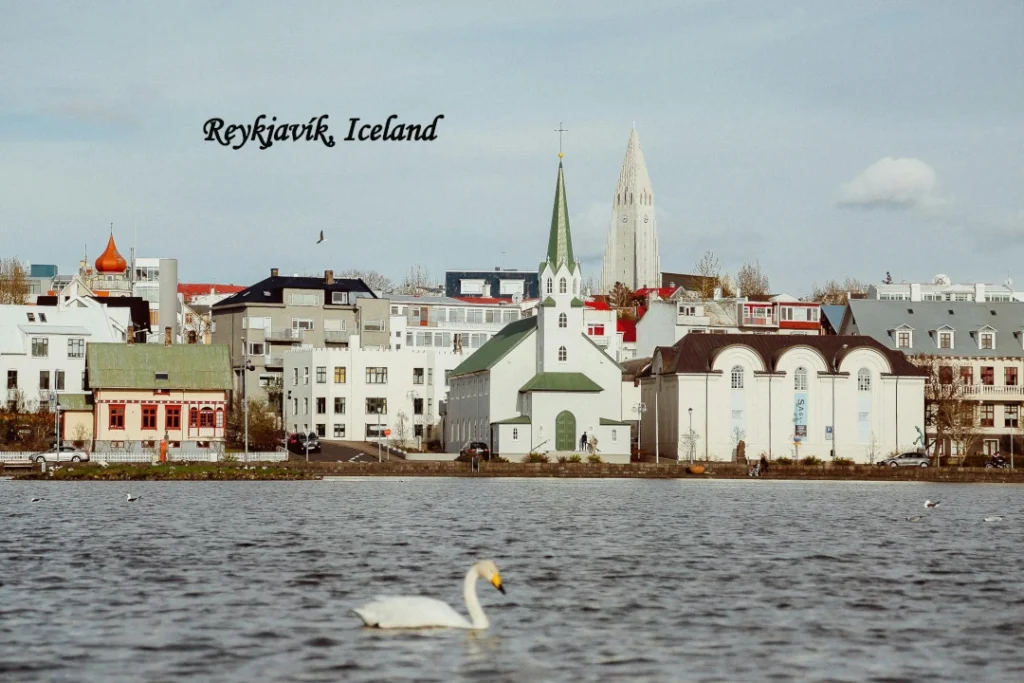
According to the Icelandic sagas, Reykjavík was Iceland’s first permanent settlement, founded in 874 AD when Norse chieftain Ingólfur Arnarson threw his ceremonial pillars into the sea and settled wherever they washed ashore. He named the site “Reykjavík” — meaning “Smoky Bay” — after the geothermal steam rising from the ground. For centuries it remained a small farming settlement, only growing into a proper town in the 18th century when Danish rule established it as a trading post. Iceland gained full independence from Denmark in 1944, and Reykjavík became the capital of the new republic, growing rapidly through the 20th century into the compact, modern city it is today.
Culture of Reykjavík
Reykjavík has one of the highest concentrations of writers, musicians, and artists per capita of any capital city, and was named a UNESCO City of Literature in 2011 in recognition of Iceland’s saga-writing tradition. The city’s cultural calendar includes Reykjavík Culture Night in August, Iceland Airwaves music festival, and a thriving café and gallery scene along Laugavegur street. Icelandic folklore — elves, trolls, and hidden people — still shapes local attitudes toward the landscape, and many Reykjavík residents take pride in preserving Old Norse language roots, with modern Icelandic remaining close to the language spoken by the original settlers over a thousand years ago.
Reykjavík was founded in 874 AD by Norse settler Ingólfur Arnarson, making it Iceland’s oldest and most historically significant settlement. Today it’s a vibrant capital known for colorful rooftops, the striking Hallgrímskirkja Church, the Harpa Concert Hall, and a lively harbor-side food and museum scene. Most Iceland trips begin and end here since Keflavík Airport is just 45 minutes away by road or the Flybus shuttle.
✈️ Book flights to Reykjavík (Keflavík) via Icelandair | PLAY Airlines
2. Blue Lagoon – Iceland’s Iconic Geothermal Spa
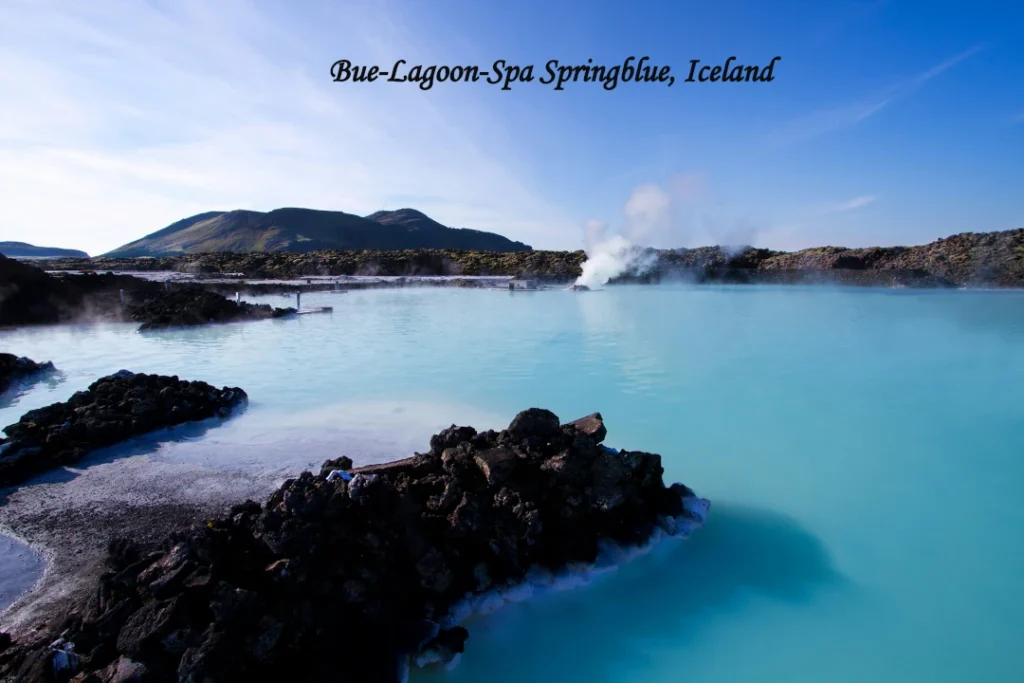
The Blue Lagoon formed accidentally in the 1970s when mineral-rich runoff from the nearby Svartsengi geothermal power plant pooled in a lava field. It’s now one of the most photographed spas in the world, prized for its milky-blue silica-rich water believed to soothe skin conditions. It sits roughly 20 minutes from Keflavík Airport, making it a popular first or last stop.
✈️ Official Blue Lagoon booking site
3. The Golden Circle – Þingvellir, Geysir & Gullfoss
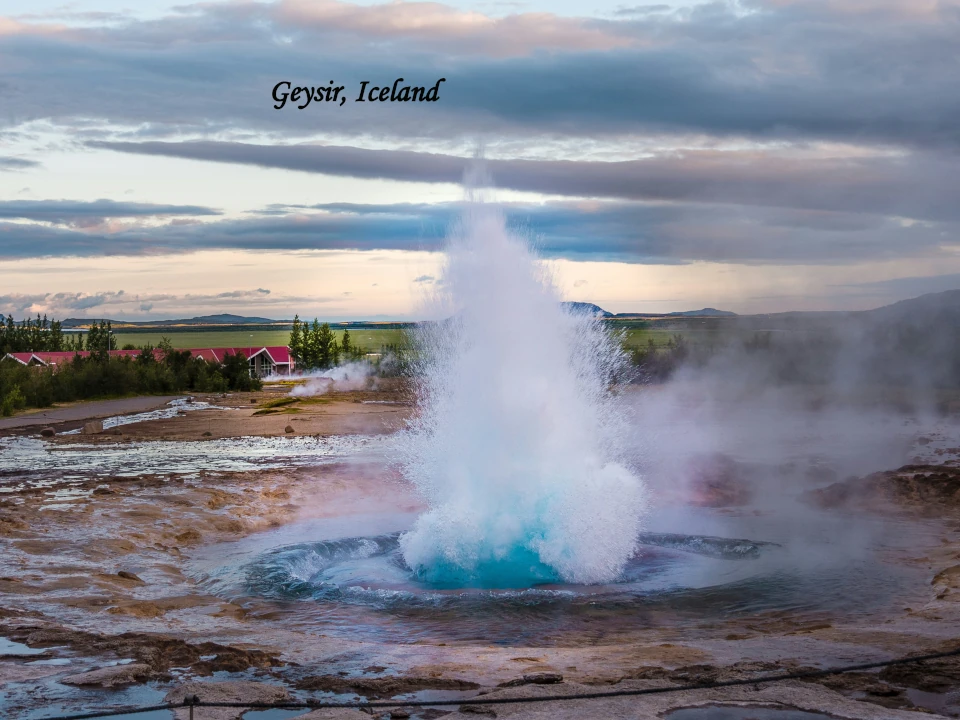
The Golden Circle is a roughly 300 km loop connecting three historically important sites: Þingvellir National Park, where Iceland’s Alþingi (one of the world’s oldest parliaments) was founded in 930 AD and where the North American and Eurasian tectonic plates visibly meet; the Geysir Geothermal Area, origin of the English word “geyser”; and Gullfoss, a thunderous two-tier waterfall on the Hvítá river. This route is Iceland’s most-visited day-trip circuit.
✈️ Þingvellir National Park – official site
4. Jökulsárlón Glacier Lagoon
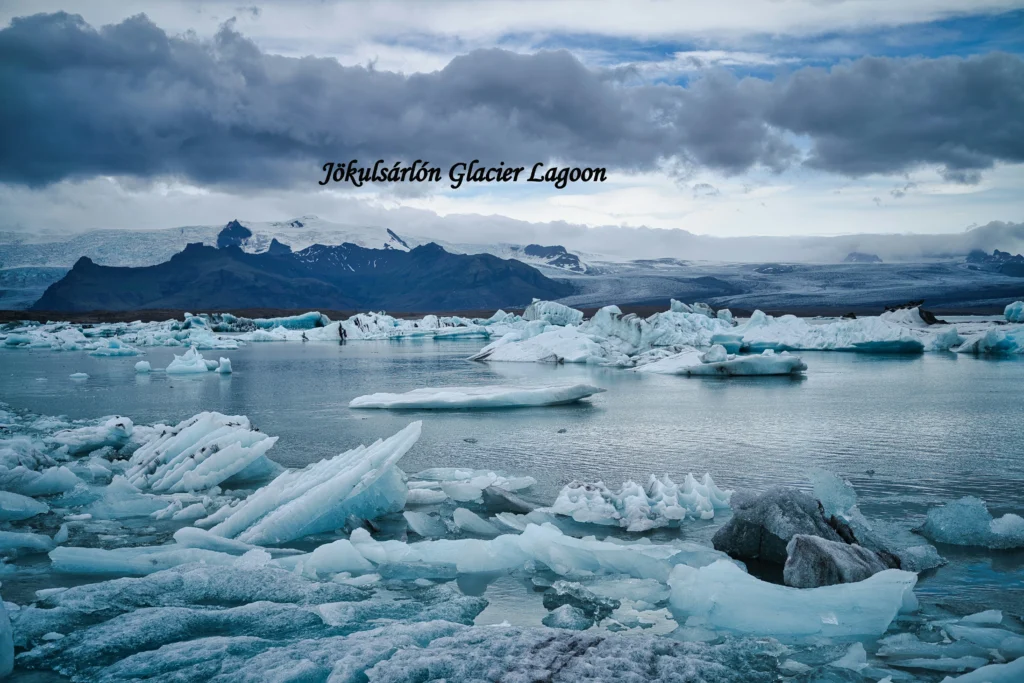
Jökulsárlón formed in the mid-20th century as the Breiðamerkurjökull glacier retreated, creating Iceland’s deepest lake. Massive icebergs calve from the glacier and drift toward the sea, some washing up on the neighboring “Diamond Beach.” It’s part of Vatnajökull National Park, Europe’s largest protected area, and boat tours among the icebergs are a highlight for most visitors.
✈️ Vatnajökull National Park – official site
Book Your Activities in Iceland
5. Vík & Reynisfjara Beach
History of Vík í Mýrdal
Vík í Mýrdal has been inhabited since Iceland’s early settlement era, though it only grew into a proper trading village in the late 19th century when a general store opened in 1887, giving local farmers a place to trade wool and other goods without the long journey to Reykjavík. Its exposed, harbor-less coastline made it one of the most difficult ports in Iceland — for decades, boats had to be hauled directly onto the beach rather than docking, since Vík has no natural harbor even today. This isolation shaped the community into a small but resilient fishing and farming settlement, and it remains one of the few Icelandic villages still without a harbor for larger vessels.
Culture & Folklore of Reynisfjara
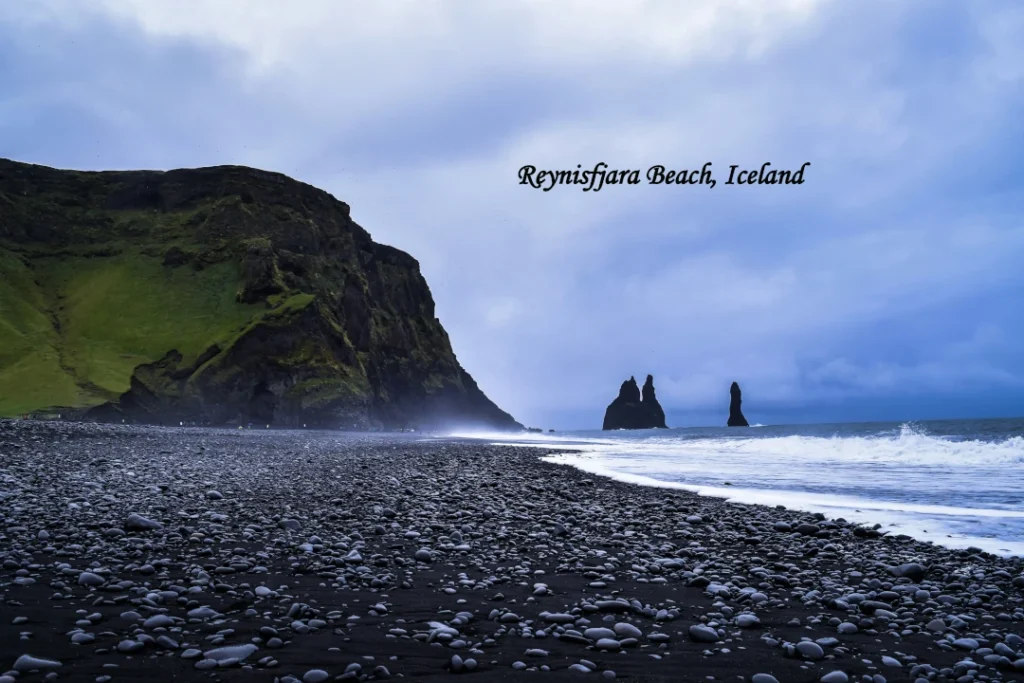
Reynisfjara’s black-sand shoreline and towering basalt sea stacks — the Reynisdrangar — are woven into Icelandic folklore. Local legend holds that two trolls tried to drag a three-masted ship to shore under cover of darkness, but dawn broke before they reached land, turning both trolls and their ship to stone; the jagged pillars rising from the sea are said to be the remains of that failed crossing.
This kind of troll-and-elf folklore is deeply embedded in Icelandic rural culture, where dramatic natural landmarks are traditionally explained through sagas passed down for generations rather than treated as purely geological formations. Today, Reynisfjara’s basalt columns and dark sand have made it one of the most photographed and culturally referenced beaches in Iceland, though the same folklore that gives it its charm also underscores the beach’s real danger — locals have long treated the powerful “sneaker waves” here with respect, a caution now echoed in official safety warnings.
6. Skaftafell – Vatnajökull National Park
History of Skaftafell
Skaftafell was originally farmland, settled during Iceland’s early Norse period, but its story is shaped as much by disaster as by settlement. The devastating 1783–84 Laki eruption, one of the deadliest volcanic events in recorded history, sent ash and toxic gases across the region, and repeated glacial flooding from Vatnajökull’s outlet glaciers over the following centuries reshaped the land and forced local farmers to adapt to an increasingly harsh environment.
In 1967, recognizing its unique glacier-and-highland landscape, the Icelandic government designated Skaftafell as a national park in its own right — only the second in the country after Þingvellir. In 2008, Skaftafell was merged with Jökulsárlón and the surrounding glacier region to form Vatnajökull National Park, which today is the largest national park in Europe, covering roughly 14% of Iceland’s total landmass.
Culture & Local Life Around Skaftafell
The farming families who lived in the shadow of Vatnajökull for generations developed a deep, practical relationship with the glacier — reading its seasonal melt patterns to predict flooding and grazing conditions long before modern glaciology existed. That inherited respect for the ice still shapes how the region is managed today, with licensed local guides leading most glacier hikes on Skaftafellsjökull to preserve both visitor safety and the fragile terrain.
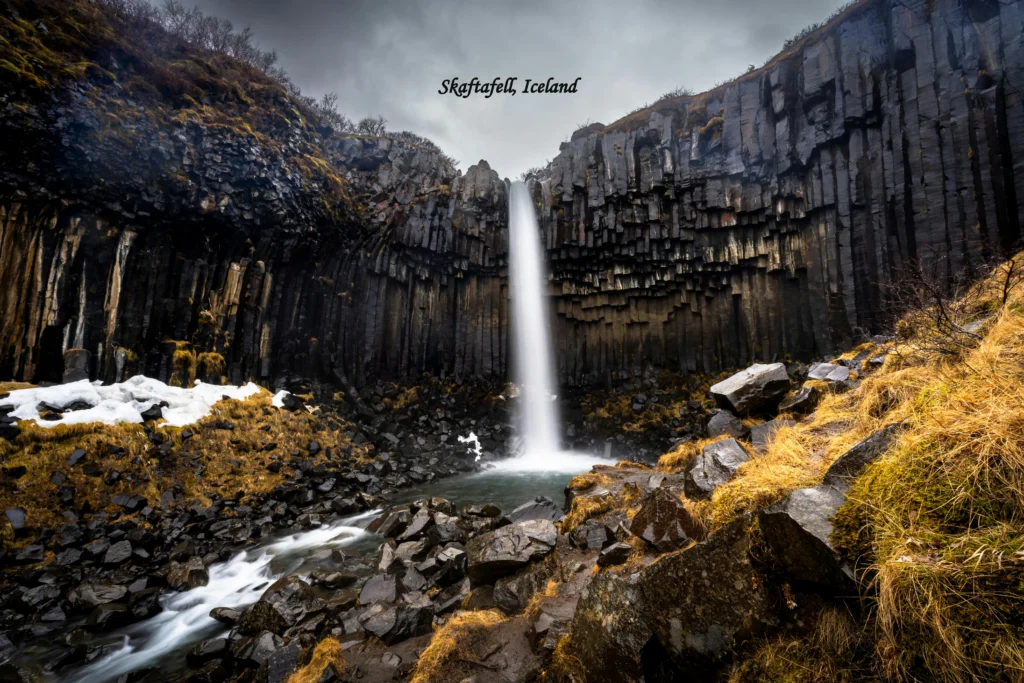
Skaftafell also sits beneath Hvannadalshnúkur, Iceland’s highest peak, which has become a rite-of-passage climb for Icelandic mountaineers, while the short hike to Svartifoss — whose dark, symmetrical basalt columns are said to have inspired the design of Reykjavík’s Hallgrímskirkja Church — remains one of the most culturally referenced short walks in the country.
6-Day Iceland Itinerary 2026
| Day | Route | Highlights |
|---|---|---|
| Day 1 | Arrival – Keflavík → Reykjavík | Hallgrímskirkja, Laugavegur street, harbor walk |
| Day 2 | Golden Circle loop | Þingvellir, Geysir, Gullfoss |
| Day 3 | Reykjavík → South Coast | Seljalandsfoss, Skógafoss, Reynisfjara Beach, Vík |
| Day 4 | South Coast → Skaftafell → Jökulsárlón | Glacier hike, iceberg boat tour, Diamond Beach |
| Day 5 | Return toward Reykjavík / Blue Lagoon | Relaxation, geothermal spa, souvenir shopping |
| Day 6 | Departure | Flybus to Keflavík Airport |
Travel Guidelines & Tips
- Carry a valid Schengen visa, travel insurance (minimum €30,000 coverage), and hotel/flight proof for immigration checks.
- Check road and weather conditions daily via road.is and vedur.is before driving, especially outside summer.
- Register your travel plan on safetravel.is if heading to remote areas or glaciers.
- Tipping is not expected; card payments are accepted almost everywhere, even for small purchases.
- Pack windproof, waterproof layers — Iceland’s weather changes quickly regardless of season.
Airport & Flight Ticket Booking – Official Links
- Keflavík International Airport (KEF) – official site
- Icelandair – official booking
- PLAY Airlines – official booking
- Flybus – airport-to-city shuttle booking
Book Your Local Travel
Checklist for Families Travelling with Infants
- Carry infant travel insurance documents and a doctor’s fitness-to-fly note if under 6 weeks old.
- Pre-book a car seat with your rental company — Icelandic law requires child restraints.
- Pack thermal layers, a baby carrier for uneven terrain (many sites aren’t stroller-friendly), and extra formula/diapers as shops can be sparse outside Reykjavík.
- Choose family rooms at hotels in advance — many South Coast guesthouses have limited infant-friendly units.
- Avoid strenuous glacier or ice-cave tours with infants; stick to viewpoints and short walks.
Types of Tickets & Tour Plans Available
- Self-drive packages – rental car + hotel bundles, best for flexible itineraries.
- Guided day tours – Golden Circle, South Coast, or Northern Lights bus tours with pickup from Reykjavík hotels.
- Multi-day escorted tours – 5–10 day coach tours covering the Ring Road with fixed departures.
- Private/business travel packages – chauffeured transfers and flexible scheduling, popular for corporate and MICE (conference) travelers.
Local Transport in Iceland
Iceland has no railway network, so travel is by road. Options include self-drive rental cars (most flexible for the Ring Road), long-distance buses connecting major towns, the Flybus for airport transfers, and domestic flights (via Reykjavík Domestic Airport) for reaching the Westfjords or East Iceland quickly. Within Reykjavík, the Strætó public bus network covers the city affordably.
Recommended Tour Operators
- Iceland Travel – One of Iceland’s longest-running DMCs, offering Golden Circle tours, multi-day Ring Road packages, and business/MICE travel services.
- Reykjavík Excursions – Well-established operator for day tours, airport transfers, and Northern Lights excursions departing from central Reykjavík.
Preferred Hotels for Accommodation
- Hotel Borg by Keahotels – A historic Art Deco hotel in central Reykjavík, walking distance to Hallgrímskirkja and Laugavegur, popular with both leisure and business travelers.
- Canopy by Hilton Reykjavík City Centre – A modern mid-range option near the harbor with easy access to museums, restaurants, and the Flybus terminal.
Food Facilities Inside Tourist Places
Most major sites — Þingvellir, Geysir, Gullfoss, Jökulsárlón, and Skaftafell — have on-site cafés or visitor centers serving soups, sandwiches, and Icelandic staples like lamb stew and fish. Reykjavík offers everything from food halls (Hlemmur Mathöll, Grandi Mathöll) to fine dining. Vegetarian and vegan options are widely available in the capital but more limited in remote areas, so it’s wise to carry snacks on long driving days.
Frequently Asked Questions (FAQ)
1. Do Indian citizens need a visa to visit Iceland?
Yes. Indian passport holders need a Schengen Type C visa, applied for through VFS Global centres in India, as Iceland does not offer visa-on-arrival.
2. What is the best time to visit Iceland in 2026?
June–August offers long daylight and open roads, ideal for the Ring Road and Highlands. September–March is best for Northern Lights viewing.
3. How many days are enough to see Iceland’s main highlights?
6–7 days comfortably covers Reykjavík, the Golden Circle, the South Coast, and Jökulsárlón without excessive daily driving.
4. Are there direct flights to Iceland from India?
No direct flights currently operate from India. Most routes connect via European hubs like London, Amsterdam, or Frankfurt to Keflavík Airport.
5. Is it safe to travel to Iceland with infants or young children?
Yes, Iceland is very family-friendly, though it’s best to avoid strenuous glacier or ice-cave activities with very young children and to pre-arrange car seats.
6. Do I need to rent a car, or are guided tours enough?
Both work well. A rental car gives flexibility for the Ring Road, while guided day tours are convenient if you prefer not to drive on Icelandic winter roads.
7. What should business travelers know about visiting Reykjavík?
Reykjavík has a growing conference and MICE sector centered around Harpa Concert Hall; business travelers typically use private transfers and should still carry the correct Schengen business visa documentation.
8. Is Icelandic currency needed, or can I use cards everywhere?
Iceland is almost entirely cashless — credit and debit cards are accepted everywhere, including small cafés and public restrooms, so carrying large amounts of Icelandic króna isn’t necessary.
Official & Authentic Links for Tourists and Business Travelers
- Visit Iceland – Official Tourism Board
- Island.is – Government of Iceland official portal
- Directorate of Immigration – Visa & Residence Permits
- Government of Iceland – Schengen Visa Information
- Keflavík International Airport – Official Site
- SafeTravel.is – ICE-SAR Safety Information
- Icelandic Meteorological Office – Weather Updates
- Road.is – Road Conditions
- Business Iceland – Investment & Business Travel Info
- Ryde Travel – Iceland Travel Guide 2026
Visit Our Other Blogs
History of Petra in Jordan: Full Guide to the Rose City (2026)
Ultimate Banff National Park Tours: 5-Day Itinerary
America Best Lakes: 5 Stunning Lakes Must Visit in 2026
Final Thoughts
Iceland in 2026 remains one of the most rewarding destinations for both first-time tourists and business travelers — a country where you can drive past erupting geysers in the morning and be back in a modern conference hall by evening. With no direct flights from India, a Schengen visa requirement, and roads that demand a little extra planning, the trip rewards those who prepare ahead: book flights and accommodation early, keep an eye on weather and road conditions, and balance guided tours with a few self-drive days for flexibility.
Whether you’re chasing the Northern Lights on a winter trip, ticking off the Golden Circle on a short business layover, or planning a full 6-day family holiday, Iceland’s mix of accessible infrastructure and untouched natural landscapes makes it a destination that consistently exceeds expectations. Start with the official Visit Iceland resources, confirm your visa requirements early, and the rest of the trip tends to fall into place.


Leave a Reply