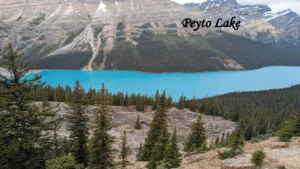
The best places to visit in Banff National Park are Lake Louise, Moraine Lake, Johnston Canyon, the Icefields Parkway (with Crowfoot Glacier and Bow Lake), Banff Avenue, Bow Falls, Lake Minnewanka, and Sulphur Mountain with the Banff Upper Hot Springs. Together, these spots cover glacier-fed lakes, waterfall hikes, mountain gondolas, and an easy-to-walk mountain town, which is why most Banff National Park tours are built around this same core list. If you’re planning a first trip, you can see the highlights comfortably in three to five days, provided you book your park pass, shuttle seats, and any guided tours ahead of time.
Table of Contents
Banff National Park Overview
Location
Banff National Park sits in the Canadian Rockies in Alberta, roughly 110 to 180 kilometres west of Calgary. The park covers about 6,641 square kilometres of mountains, glaciers, forest, and river valleys, and it borders Kootenay, Yoho, and Jasper National Parks. The Town of Banff, the park’s main service hub, is about a 90-minute drive from Calgary along the Trans-Canada Highway.
Why Banff Is Famous
Banff National Park is Canada’s first national park and the flagship of the country’s park system. It’s part of the Canadian Rocky Mountain Parks UNESCO World Heritage Site, a designation shared with Jasper, Kootenay, and Yoho National Parks. Its turquoise glacial lakes, jagged peaks, and abundant wildlife have made it one of the most photographed landscapes in North America, and it draws millions of visitors every year from across Canada and around the world.
Book Your Tours in Banff
Rocky Mountain Landscape
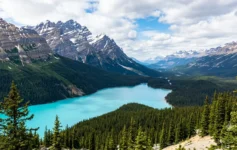
The park’s scenery is shaped by glaciers, both ancient and present-day. Sedimentary and limestone peaks rise sharply above U-shaped valleys carved by ice, and glacial meltwater feeds the mineral-rich, turquoise-coloured lakes the park is known for. Wildlife — including grizzly and black bears, elk, bighorn sheep, and mountain goats — is common enough that safety guidance is a genuine part of trip planning, not just a formality.
Best Time to Visit
- Summer (June–September): Warmest weather, all roads and shuttle services running, but the busiest and most expensive period. Moraine Lake Road is typically open only from around June 1 to mid-October.
- Shoulder seasons (May, late September–October): Fewer crowds, cooler weather, and the chance of snow at higher elevations. Some services and shuttles have limited or no operation.
- Winter (November–April): Skiing, snowshoeing, and frozen waterfall walks, but many hiking trails, the Icefields Parkway’s full services, and Moraine Lake Road are closed or inaccessible.
Who Should Visit
- Families: Gentle boardwalk trails, gondolas, and lake picnics make Banff workable with young kids, though some hikes and shuttle logistics need extra planning.
- Couples: Scenic drives, spa hotels, and quiet lakeside viewpoints suit a romantic trip.
- Solo travelers: Hostels, day hikes, and guided small-group tours make it easy to visit independently.
- Business travelers: Calgary’s proximity and Banff’s conference-ready hotels support short business trips that can be extended into sightseeing.
History of Banff National Park
Origins of Banff National Park
Banff’s story begins in 1883, when Canadian Pacific Railway workers discovered hot springs at what is now the Cave and Basin. To protect the springs from private claims, the federal government set aside a small reserve in 1885 — the seed of Canada’s national park system. Two years later, the protected area was expanded significantly, and Banff National Park as a larger, formally protected landscape began to take shape.
The Canadian Pacific Railway’s Role
The Canadian Pacific Railway didn’t just stumble onto Banff — it actively built the region into a destination. The railway saw the mountain scenery as a way to sell rail travel to wealthy tourists, so it constructed grand hotels, including what became the Fairmont Banff Springs, to give travelers somewhere luxurious to stay once they arrived. This commercial push is a big part of why Banff developed into a resort town so early, rather than staying a remote wilderness outpost.
Development of Tourism in the Canadian Rockies
Through the early and mid-20th century, roads, ski areas, and visitor facilities gradually expanded across the region. The Icefields Parkway, completed in 1940, opened up the glacier-studded corridor between Lake Louise and Jasper to road travellers for the first time, cementing Banff and its surrounding parks as a road-trip destination as much as a hiking one.
Evolution Into an International Destination
Today, Banff draws visitors from around the world, not just Canada. The park’s UNESCO World Heritage status — shared across the Canadian Rocky Mountain Parks — reflects its global significance for both scenery and geology. That same popularity is also why Parks Canada has had to introduce stricter vehicle and shuttle rules at sites like Moraine Lake in recent years: the park’s fame has outpaced its parking capacity.
Best Places to Visit in Banff National Park
Most Banff National Park tours — whether self-guided or booked with an operator — revolve around the attractions below. Here’s what makes each one worth the stop, and what to know before you go.
Lake Louise
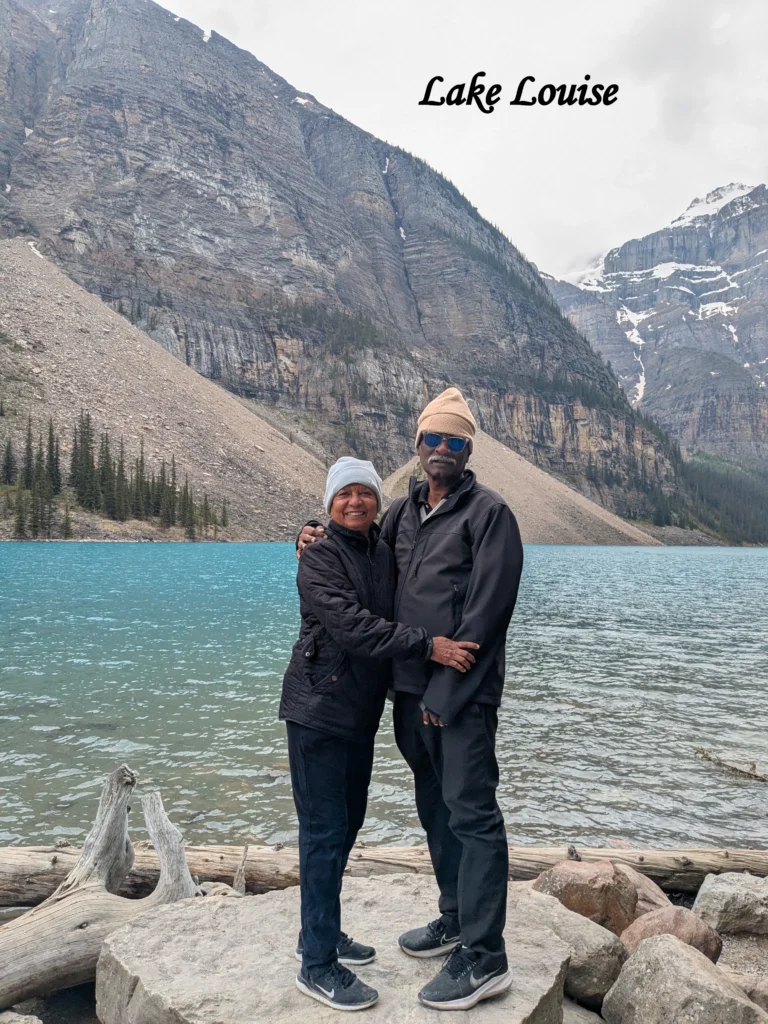
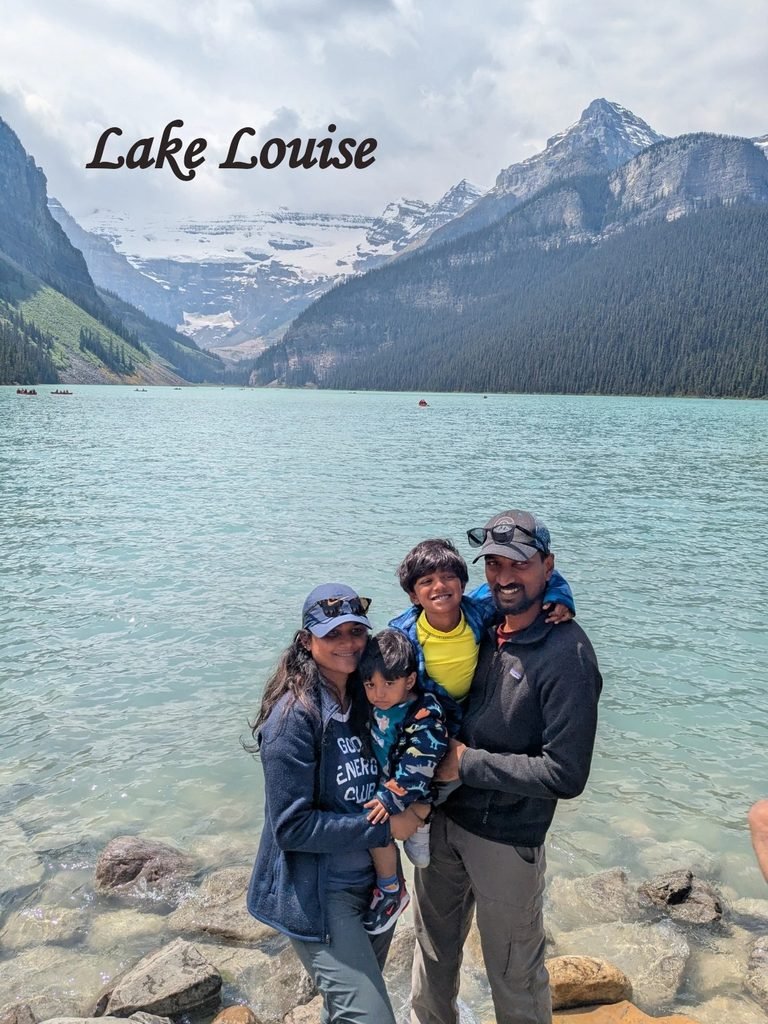
Lake Louise is Banff’s signature turquoise glacial lake, framed by the Victoria Glacier and surrounding peaks. A flat lakeshore path makes it accessible for almost everyone, while trails toward the Lake Agnes Tea House and the Plain of Six Glaciers offer longer options for hikers. Because parking at the lake is extremely limited, arriving by Roam Transit or Parks Canada shuttle is strongly recommended, especially in summer.
Moraine Lake
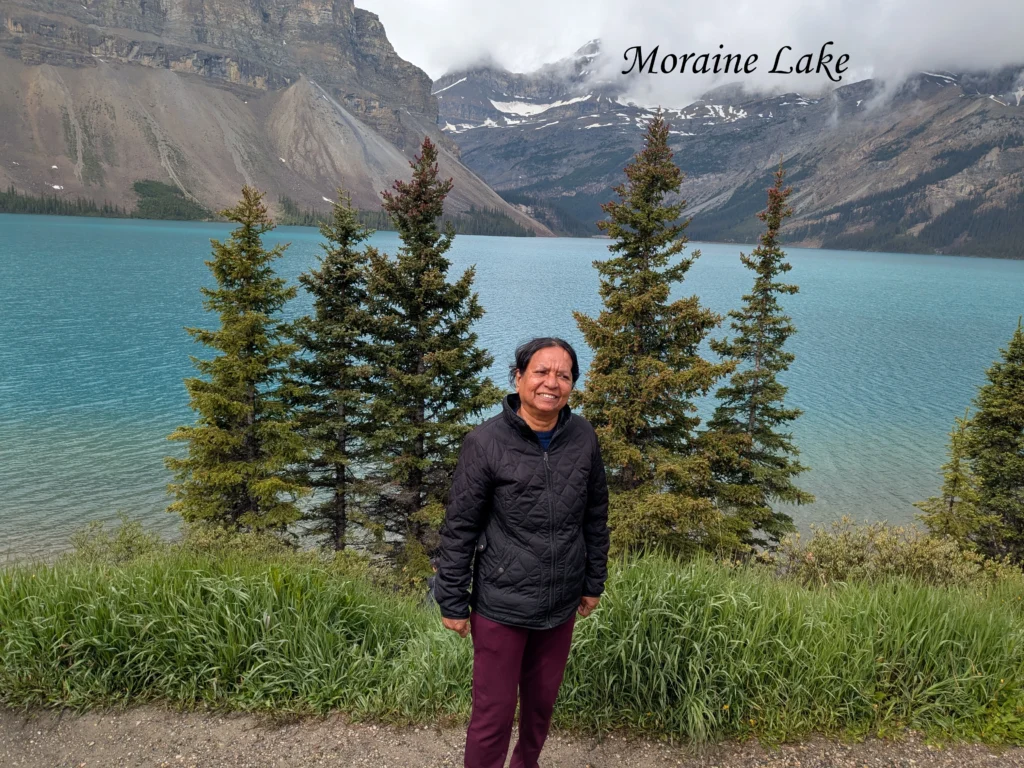
Moraine Lake sits in the Valley of the Ten Peaks and is famous for its intensely blue water and dramatic mountain backdrop. Moraine Lake Road is closed to personal vehicles year-round. Access is limited to Parks Canada shuttles, Roam Transit, licensed commercial tour operators, and registered guests of Moraine Lake Lodge. Reservations for the Parks Canada shuttle open in spring for the summer season and tend to sell out quickly, so book as early as official reservations allow. Personal watercraft, including canoes and paddleboards, are also no longer permitted on the lake as part of its protected-water status.
Crowfoot Glacier
Crowfoot Glacier is a roadside viewpoint along the Icefields Parkway, easily visible from a designated pullout without any hiking required. It’s named for its claw-like shape, though a warming climate has caused one of its original “toes” to melt away over the decades — a visible reminder of glacial retreat in the region.
Bow Glacier
Bow Glacier feeds Bow Lake, another striking turquoise lake along the Icefields Parkway, just south of the Crowfoot Glacier viewpoint. Bow Lake itself has a short, family-friendly walk along its shoreline, with the Num-Ti-Jah Lodge sitting nearby as one of the few dining and accommodation stops directly on the parkway.
Bow Glacier Falls
For a more active outing, the hike to Bow Glacier Falls starts from the Bow Lake day-use area and follows the lakeshore before climbing toward a waterfall fed directly by glacial melt. It’s a moderate round-trip hike best suited to visitors comfortable with a few hours on foot, rather than a quick roadside stop.
Johnston Canyon Falls
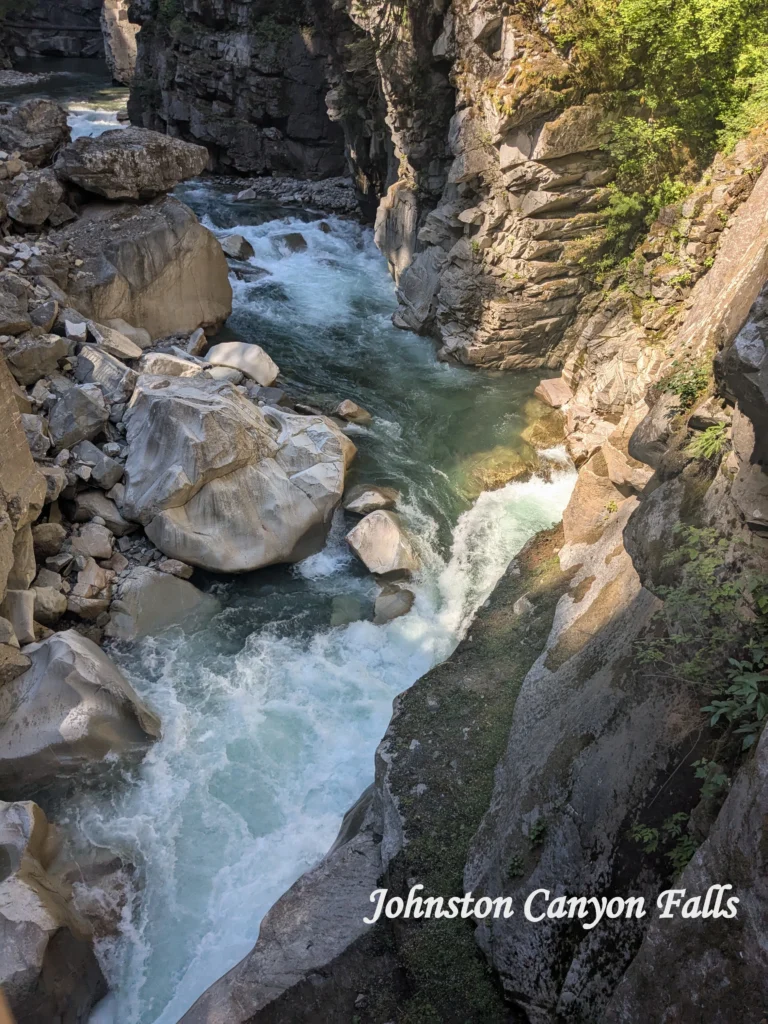
Johnston Canyon is one of Banff’s most popular short hikes, following a catwalk-style trail bolted into canyon walls. The Lower Falls are an easy 30-minute walk each way, suitable for most fitness levels, while the Upper Falls add roughly another hour round-trip and a steeper climb. Arrive early or late in the day during summer to avoid the heaviest foot traffic on the catwalks.
Other Worthwhile Banff Attractions
- Banff Avenue: The town’s main street, with shops, cafés, and restaurants set against a mountain backdrop — good for an easy evening stroll.
- Bow Falls: A short, flat walk near the Fairmont Banff Springs, ideal for a quick stop or a stroller-friendly outing.
- Lake Minnewanka: Banff’s largest lake, with a scenic drive, hiking trails, and seasonal boat cruise options.
- Sulphur Mountain and the Banff Gondola: A cable car ride to a summit boardwalk with panoramic views over the Bow Valley.
- Banff Upper Hot Springs: A mineral hot springs pool near the base of Sulphur Mountain — a relaxing stop after a day of hiking.
3-Day Banff Itinerary
Day 1: Banff Town and Nearby Attractions
- Morning: Walk Banff Avenue and the Bow River pathway.
- Midday: Bow Falls, then lunch in town.
- Afternoon: Banff Gondola up Sulphur Mountain.
- Evening: Banff Upper Hot Springs, then dinner in town.
Day 2: Lake Louise and Moraine Lake
- Early morning: Take the Parks Canada shuttle or Roam Transit from the Lake Louise Park & Ride to Moraine Lake first, since it’s usually calmer earlier in the day.
- Midday: Walk the Rockpile Trail at Moraine Lake, then shuttle back to Lake Louise.
- Afternoon: Walk the Lake Louise lakeshore trail; consider the Lake Agnes Tea House hike if time and energy allow.
- Evening: Return to Banff for dinner.
Day 3: Johnston Canyon and the Icefields Parkway
- Morning: Johnston Canyon Lower and Upper Falls.
- Midday: Drive a portion of the Icefields Parkway, stopping at Crowfoot Glacier and Bow Lake.
- Afternoon: Return to Banff, or extend the drive if you have a fourth day (see below).
4-Day Banff Itinerary
Follow the 3-day plan above, then add a fourth day dedicated to a longer stretch of the Icefields Parkway.
Day 4: Deeper Into the Icefields Parkway
- Morning: Continue north on the Icefields Parkway toward Bow Glacier Falls trailhead; hike if you’re up for a moderate few hours on foot.
- Midday: Picnic at Bow Lake or Peyto Lake viewpoint (just north of Bow Summit).
- Afternoon: Head back toward Banff, refuelling before you leave, since services on the parkway are limited.
5-Day Banff Itinerary
This relaxed version spreads the same attractions across five days, with more rest built in — a better fit for families with young children or anyone who prefers a slower pace.
| Day | Focus | Notes |
|---|---|---|
| Day 1 | Arrival, Banff town, Bow Falls | Light day to adjust after travel |
| Day 2 | Sulphur Mountain Gondola, Upper Hot Springs | Good half-day pace for families |
| Day 3 | Lake Louise only | Take it slow; add the Lake Agnes Tea House hike if energy allows |
| Day 4 | Moraine Lake, via shuttle | Book shuttle seats well in advance |
| Day 5 | Johnston Canyon and a short stretch of the Icefields Parkway | Turn back whenever the group is tired; no need to reach Jasper |
Build in rest breaks between activities, especially with infants or young children, and don’t schedule back-to-back long drives on the same day as a hike.
Travel Guidelines and Practical Tips
- National park pass: Required for anyone stopping in the park, including on the Icefields Parkway and Bow Valley Parkway.
- Reservations: Shuttle seats, camping, and some guided tours sell out; book through official channels as early as possible.
- Weather: Mountain weather changes quickly — pack layers even in summer, and check forecasts daily.
- Wildlife safety: Carry bear spray on trails, keep a safe distance from all wildlife, and never approach animals for photos.
- Hiking preparation: Check current trail reports before setting out; conditions can change with weather or wildlife activity.
- Parking: Popular sites like Lake Louise and Moraine Lake have very limited or no personal-vehicle parking — plan on shuttles or transit.
- Road conditions: Check 511 Alberta before driving the Icefields Parkway or Bow Valley Parkway, especially outside summer.
- Mobile connectivity: There is no cell coverage along most of the Icefields Parkway. Download offline maps and let someone know your route.
- Responsible tourism: Stay on marked trails, pack out all garbage, and follow posted wildlife closures.
- Seasonal closures: Moraine Lake Road, some campgrounds, and full Icefields Parkway services typically run from around June through September or mid-October only.
- Emergency preparedness: Carry a basic first-aid kit, extra food and water, and know the location of the nearest visitor centre or dispatch contact.
The Icefields Parkway deserves particular caution: it’s a remote mountain road with services available only from roughly June through September, a single gas station along its entire 232-kilometre length, and no cell coverage for most of the drive. Fill up your tank and bring supplies before you set out.
Before you travel, check Parks Canada’s Banff National Park bulletins page for current closures, wildlife warnings, and fire restrictions — these can change with little notice.
Tickets and Reservations
Parks Canada Admission and Passes
The Canada Strong Pass, which grants free admission to Parks Canada sites including Banff, runs from June 19 to September 7, 2026. Regular admission fees resume on September 8, 2026, meaning that from this date visitors again need a valid daily pass or Discovery Pass. As of Parks Canada’s 2026 fee schedule, daily admission runs roughly $12.25 per adult and $24.50 per family or group, while an annual Discovery Pass — valid at Banff and over 80 other Parks Canada sites — runs roughly $83.50 per adult and $167.50 per family or group. These figures are subject to Parks Canada’s periodic fee adjustments, so confirm current pricing on the official fees page before you go.
Discovery Pass
If you’re visiting more than one Parks Canada site, or spending several days in Banff alone, the annual Discovery Pass usually pays for itself faster than buying daily passes. It covers admission (not camping or shuttle fees) at more than 80 Parks Canada destinations across the country.
Lake Louise and Moraine Lake Shuttle Tickets
Parks Canada shuttles to Lake Louise and Moraine Lake require an advance reservation through the official Parks Canada Reservation Service. A portion of tickets is released when the season’s booking window first opens, with additional seats released on a rolling basis roughly 48 hours before each departure date. Roam Transit also operates public buses to both lakes on a separate ticketing system.
Camping Reservations
Frontcountry camping in Banff, Lake Louise, and along the Icefields Parkway is booked through the Parks Canada Reservation Service, with a set launch date each winter for the following season. Popular campgrounds fill within hours of the reservation window opening, so have your preferred dates and sites ready in advance.
Guided Tour, Attraction, and Transportation Tickets
Guided tours, the Banff Gondola, boat cruises on Lake Minnewanka, and shuttle or bus tickets are generally booked directly with the operator rather than through Parks Canada. Book ahead in peak summer months, since popular time slots sell out.
Airport and Flight Planning
Most air travelers reach Banff through Calgary International Airport (YYC), located about 17 kilometres northeast of downtown Calgary and roughly 130 kilometres (80 miles) east of Banff. From YYC, most visitors continue to Banff by rental car, shuttle, or private transfer — there is no direct passenger rail service.
- Calgary International Airport (YYC) official website
- Most major domestic and international airlines serve YYC; check individual airline sites or a trusted booking platform for current routes and fares.
- Airport transportation options include rental cars, shared shuttles, and private transfers booked in advance.
Book Your Flight in Banff
Local Transportation
- Rental cars: Convenient for flexibility, but parking at Lake Louise and Moraine Lake is limited or unavailable — plan on shuttles for those two sites regardless of whether you rent a car.
- Shuttle services: Private operators run scheduled shuttles between Calgary, Banff, and Lake Louise.
- Roam Transit: Public bus service connecting Canmore, Banff, and Lake Louise, including seasonal routes to Moraine Lake and Lake Minnewanka.
- Parks Canada shuttles: Reservation-based service to Lake Louise and Moraine Lake from the Lake Louise Park & Ride.
- Tour buses: Licensed commercial operators run guided day trips, including to Moraine Lake Road, under a Parks Canada operating licence.
- Walking and cycling: Banff’s townsite is compact and walkable, with cycling paths along the Bow River.
It’s worth repeating: you cannot drive your own vehicle to Moraine Lake. Moraine Lake Road is closed to personal vehicles year-round, with access limited to Parks Canada shuttles, Roam Transit, licensed commercial tour operators, and registered guests of Moraine Lake Lodge. Plan your visit around a shuttle reservation rather than assuming you can drive up and park.
Hotels
Fairmont Banff Springs
Known as the “Castle in the Rockies,” the Fairmont Banff Springs has welcomed guests since 1888 and sits just minutes from downtown Banff. Its closest airport is Calgary International Airport (YYC), roughly 130 kilometres (80 miles) away, with daily shuttle and private transfer options available.
- Location: Just outside Banff townsite, near Bow Falls.
- Suitable for: Couples, families, and business groups alike, thanks to its scale and range of room types.
- Facilities: Golf course, spa, multiple dining venues, and extensive meeting and event space.
- Dining: Several on-site restaurants and lounges.
- Business travel: Large conference and meeting facilities make it a common choice for corporate events.
- Families: Spacious grounds and proximity to Bow Falls suit family stays, though it’s a premium-priced property.
- Access to attractions: Walking distance to Bow Falls and downtown Banff; short drive to the Banff Gondola.
Rimrock Banff, Emblems Collection
Perched on Sulphur Mountain above the townsite, Rimrock Banff reopened in 2026 under Accor’s new Emblems Collection brand following a major renovation, positioning itself as a quieter, view-focused alternative to the larger Fairmont property. Its closest airport is also Calgary International Airport (YYC).
- Location: On Sulphur Mountain, close to the Banff Gondola and Banff Upper Hot Springs.
- Suitable for: Couples and travelers seeking a quieter, view-oriented stay, as well as small business groups.
- Facilities: Spa and wellness area, fitness centre, and mountain-view rooms.
- Dining: On-site restaurants with mountain views; confirm current outlets, as venues were updated during the 2025–2026 renovation.
- Business travel: Meeting and event space is available; confirm current capacity given the recent property refresh.
- Families: Comfortable for families, though its wellness-focused positioning may suit couples and adult travelers especially well.
- Access to attractions: Steps from the Banff Gondola and Upper Hot Springs; a short drive or transit ride from downtown Banff.
Because Rimrock Banff recently completed a significant renovation and rebrand, confirm current room categories, dining outlets, and opening status directly on its official website before booking.
Food Facilities
Banff town has the widest range of restaurants and cafés in the park, from casual takeout to fine dining. Around Lake Louise, dining options are more limited and concentrated near the Fairmont Chateau Lake Louise and the village below it. At major visitor areas along the Icefields Parkway, food service is seasonal (roughly June through September) and limited to a small number of lodges — not every stop has a restaurant or café.
- Banff town: Wide range of restaurants, cafés, and grocery stores.
- Lake Louise: Limited dining, mainly near the lake’s hotels and the small village area.
- Major visitor areas (Icefields Parkway, some trailheads): Seasonal service only at a handful of lodges; many stops have no food facilities at all.
- Picnic facilities: Day-use areas at Bow Lake, Herbert Lake, and several other Icefields Parkway stops have picnic tables — bring your own food.
Do not assume every attraction has a restaurant. Many trailheads, viewpoints, and even some lake access points have no food service whatsoever. For any drive along the Icefields Parkway or a full day away from Banff town, carry more snacks and water than you think you’ll need — services are sparse and seasonal.
Families traveling with children should pack extra snacks and a refillable water bottle regardless of the day’s plan, since even short outings can run longer than expected once you factor in shuttle waits, photo stops, and tired legs.
Book Your Hotels in Banff
Families Traveling With Infants — Checklist
Banff can absolutely work with an infant in tow, but the remote stretches, shuttle logistics, and changeable mountain weather call for extra preparation. Trail conditions and weather can shift quickly, even within the same afternoon, so build slack into your plans.
- Diapers (pack more than you expect to need for the day)
- Baby food or formula
- Bottles and a way to sterilize or clean them
- Warm clothing, including layers for sudden temperature drops
- Stroller suited to gravel paths, or a soft-structured carrier for uneven trails
- Baby-safe sunscreen
- A basic first-aid kit
- Extra clothing for spills, weather changes, or wet ground
- Water for both baby and caregivers
- Snacks for the whole family, especially on longer drives
- Car seat, if renting a vehicle or booking private transfers
- Weather protection: rain cover, sun hat, and layers
- Accommodation with the space or amenities a family with an infant needs (crib availability, kitchenette, etc.)
- Built-in rest breaks between activities rather than back-to-back outings
- Confirmed accessible transportation options if a stroller needs to board a shuttle or bus
Types of Tickets and Tour Plans
| Ticket / Booking Type | What It Covers | Where to Book |
|---|---|---|
| Park admission (daily) | Single or multi-day entry to Banff National Park | Parks Canada official fees page |
| Discovery Pass | Annual admission to 80+ Parks Canada sites | Parks Canada official fees page |
| Shuttle ticket | Reserved seat to Lake Louise / Moraine Lake | Parks Canada Reservation Service or Roam Transit |
| Guided tour | Escorted sightseeing, hiking, or wildlife tours | Individual tour operator websites |
| Boat / cruise / activity ticket | Lake Minnewanka cruise, canoe rentals, etc. | Operator’s official website |
| Camping reservation | Frontcountry or backcountry campsite booking | Parks Canada Reservation Service |
| Hotel booking | Accommodation in Banff, Lake Louise, or nearby | Hotel’s official website |
| Airport transfer | Transport between YYC and Banff/Lake Louise | Shuttle or transfer operator’s official website |
Banff for Business Travelers
Banff’s mix of conference-ready hotels and world-class scenery makes it a genuinely practical option for combining a business trip with sightseeing, not just a marketing line.
- Suitable hotels: Properties like the Fairmont Banff Springs offer dedicated meeting and event space; Rimrock Banff also offers meeting facilities following its renovation.
- Meeting and conference considerations: Confirm room capacity, AV setup, and catering directly with the hotel’s events team, since availability can shift with renovations or seasonal demand.
- Wi-Fi and work requirements: Most major hotels offer business-grade Wi-Fi, but confirm speed and reliability if you have heavy video-conferencing needs — mountain-town connectivity can vary.
- Short 1–2 day sightseeing add-ons: Banff town, Bow Falls, and the Banff Gondola can all be done in a single half-day, making them easy to fit around a conference schedule.
- Airport transfers: Book private or shared transfers from YYC in advance, especially around conference dates when demand spikes.
- Corporate and group tours: Several local operators offer group sightseeing, team-building, or incentive-travel itineraries — book well ahead for larger groups.
- Scheduling outdoor activities around meetings: Build sightseeing into early mornings or the day after a conference wraps, since weather and shuttle timing are less flexible than a typical city excursion.
- Why advance reservations matter: Shuttle seats, popular restaurants, and even hotel meeting space can book out weeks ahead in peak season — don’t assume you can arrange things on arrival.
Official Banff Travel, Government, Ticket & Booking Links
- Parks Canada – Banff National Park
- Parks Canada – Plan Your Visit
- Parks Canada – Banff Fees and Passes
- Parks Canada – Park Passes
- Parks Canada – Reservation Service
- Parks Canada – Visiting Lake Louise and Moraine Lake
- Parks Canada – Icefields Parkway
- Calgary International Airport (YYC)
- Roam Transit
- Fairmont Banff Springs — Official Website
- Rimrock Banff, Emblems Collection — Official Website
- Banff Adventures — Tour Operator
These are official or established sources. Independent travel blogs and third-party booking sites can be useful for tips and reviews, but always confirm fees, hours, and closures against the government and operator links above before you finalize plans.
Frequently Asked Questions
What are the best places to visit in Banff National Park?
Lake Louise, Moraine Lake, Johnston Canyon, the Icefields Parkway (including Crowfoot Glacier and Bow Lake), Sulphur Mountain, Bow Falls, and Lake Minnewanka form the core of most Banff National Park.
How many days are enough for Banff National Park?
Three days covers the main highlights at a brisk pace. Four to five days allows a more relaxed schedule, more of the Icefields Parkway, and extra rest breaks — especially useful for families.
What is the best time to visit Banff?
Summer (June to September) offers the warmest weather and full access to lakes, trails, and the Icefields Parkway, but it’s also the busiest and priciest season. Shoulder months like May and late September offer fewer crowds with somewhat limited services.
Can you drive to Moraine Lake?
No. Moraine Lake Road is closed to personal vehicles year-round. Visitors reach the lake via Parks Canada shuttle, Roam Transit, licensed commercial tour operators, or as a registered guest of Moraine Lake Lodge.
How do I get from Calgary Airport to Banff?
Calgary International Airport (YYC) is roughly 130 kilometres (80 miles) from Banff. Most visitors rent a car, book a private transfer, or take a scheduled shuttle service for the roughly 90-minute drive.
Is Banff suitable for families traveling with infants?
Yes, with preparation. Flat trails like the Bow Falls path and Lake Louise lakeshore are stroller-friendly, and many hotels can accommodate cribs, but pack extra layers, snacks, and water, and build in rest breaks given the region’s changeable weather.
Do I need a Parks Canada pass to visit Banff National Park?
Yes, outside of designated free-admission periods like the Canada Strong Pass window. A daily pass or annual Discovery Pass is required to stop, park, or camp within the park.
What are the best tours and activities in Banff?
Popular options include guided hikes, the Banff Gondola, Lake Minnewanka boat cruises, wildlife tours, and shuttle-based day trips to Lake Louise and Moraine Lake. Established local operators can bundle several of these into a single guided day.
Conclusion
Banff National Park tours rewards visitors who plan ahead. The turquoise lakes at Lake Louise and Moraine Lake, the roadside glaciers along the Icefields Parkway, and the walkable charm of Banff town are what most Banff National Park are built around — and each of them works best when you’ve booked your park pass, shuttle seats, and accommodation before you arrive rather than after.
Whether you’re visiting for three days or five, traveling with an infant, or squeezing in sightseeing around a business trip, the same advice holds: reserve early, pack for changeable mountain weather, and check Parks Canada’s official alerts shortly before you go. Rules around vehicle access, shuttle reservations, and seasonal closures do shift from year to year, and a five-minute check against the official links above can save you a wasted morning at a closed road or a fully booked shuttle.
Visit Our Article:
1.Banff National Park Travel Guide: Ultimate Day Trip
2. 6 Places to Visit in Vancouver Canada: Itinerary, Costs, Insider Tips From a Real Visitor 2026

Leave a Reply