
✈️ Quick Take: Argentina in 2026 offers Indian travellers an unforgettable mix of Buenos Aires’ tango culture, Patagonia’s glaciers, and Iguazu Falls, best explored with an e-Visa, a 2-3 week itinerary, and a budget starting around ₹1.5-2 lakh excluding flights.
✈️ Key Highlights:
- Indians can apply for Argentina’s e-Visa online, with approval typically taking 3-5 business days, so apply at least 3 weeks before departure.
- Visit between March-May or September-November (shoulder seasons) for pleasant weather and lower costs across Buenos Aires, Mendoza, and Patagonia.
- Insider tip: book Iguazu Falls and El Calafate glacier tours in advance during December-February, as this is peak local tourist season.
To book your stay, click here. To Book Local Travel, click here
Traveling Overseas click here to buy a eSIM. For more info click here
Table of Contents
Argentina Travel Guide 2026: Amazing Places to Explore for Tourists & Business Travelers
Argentina’s top destinations for 2026 are Buenos Aires (culture and business hub), Iguazú Falls (UNESCO natural wonder), Mendoza (wine country), Bariloche (Lake District/Swiss-Alpine town), and Patagonia’s El Calafate & El Chaltén (glaciers and trekking). A comfortable first visit takes 10 days, entering through Ministro Pistarini/Ezeiza International Airport (EZE) or Aeroparque Jorge Newbery (AEP) in Buenos Aires. Most tourists from visa-exempt countries can stay up to 90 days; always confirm current entry rules on Argentina’s official Immigration website and book flights, park tickets, and hotels only through official or verified sources.
Book Your Tours in Argentina
Whether you’re a first-time tourist chasing glaciers and waterfalls or a business traveler with a few extra days to explore, this 2026 guide covers Argentina’s history, a ready-to-use 10-day itinerary, entry and safety tips, family-with-infants planning, local transport, trusted tour operators, hotel picks, food options inside major attractions, and a full FAQ — with links only to official government and verified travel sources.
History of Tourist Places in Argentina
Argentina’s tourism landscape reflects layers of Indigenous, colonial, and immigrant history. Buenos Aires was founded in 1536 and permanently re-established in 1580; its European immigration waves (mainly Spanish and Italian, 1880s–1930s) shaped the tango, architecture, and café culture visitors see today. Iguazú Falls, known to the Guaraní people for centuries before European contact, was “discovered” for the outside world by Spanish explorer Álvar Núñez Cabeza de Vaca in 1541; the surrounding Iguazú National Park was created in 1934 and named a UNESCO World Heritage Site in 1984.
Mendoza‘s wine tradition began with Spanish settlers and Jesuit missionaries in the 1560s, later expanded by Italian and French immigrants who built the modern Malbec industry. Bariloche grew from a small Andean trading post into a Swiss-Alpine-styled resort town after German, Swiss, and Central European settlers arrived in the early 1900s; nearby Nahuel Huapi became Argentina’s first national park in 1934. Patagonia‘s glacial region — home to El Calafate and El Chaltén — was shaped by 19th-century expeditions (including explorer Francisco Moreno, after whom the Perito Moreno Glacier is named) and became a global trekking destination once Los Glaciares National Park earned UNESCO status in 1981.
Best Places in Argentina
1.Buenos Aires

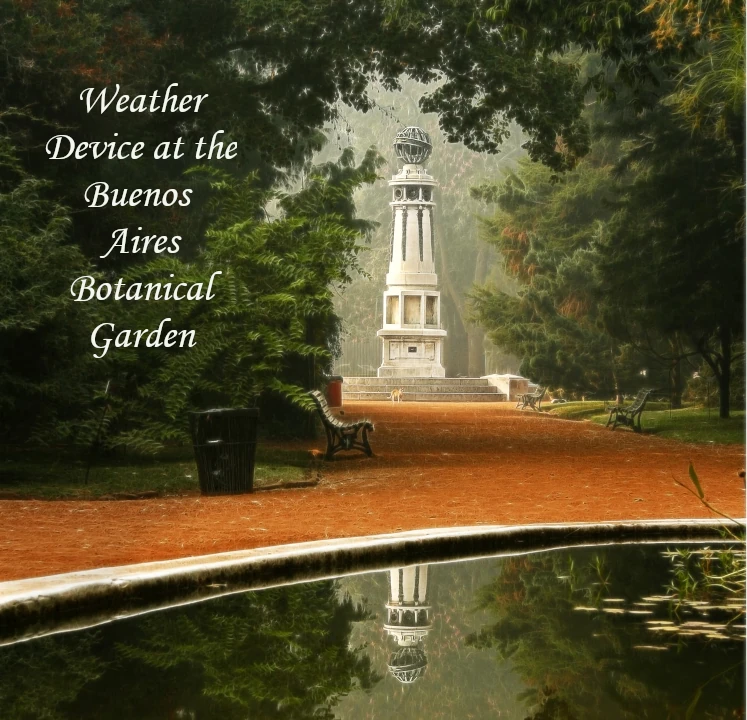
Argentina’s capital blends European architecture with Latin American energy — ideal for both leisure travelers and business visitors extending their trip. Don’t miss Recoleta Cemetery, the colorful La Boca neighborhood, Teatro Colón, and an evening tango show in San Telmo. Nearest airports: Aeroparque Jorge Newbery (AEP) for domestic flights and Ezeiza/Ministro Pistarini International Airport (EZE) for international arrivals, both operated by Aeropuertos Argentina (AA2000).
Highlights:
- Recoleta Cemetery — an open-air museum of elaborate mausoleums, including Eva Perón’s tomb
- La Boca — the colorful, working-class port neighborhood famous for Caminito street and tango roots
- Teatro Colón — one of the world’s great opera houses, known for its acoustics and architecture
- San Telmo tango show — an evening of live tango in the city’s oldest, most bohemian barrio
Airports (both run by Aeropuertos Argentina 2000):
- AEP — Aeroparque Jorge Newbery, for domestic flights, close to downtown
- EZE — Ezeiza/Ministro Pistarini International, for international arrivals, about 27 km from the city center
Aerolíneas Argentinas anchors both airports with the widest network, while low-cost carriers Flybondi and JetSMART cover many domestic and regional routes; American, Delta, United, LATAM, and several European carriers (Iberia, Air France, KLM, Lufthansa) serve EZE from abroad.Use Google Flights or Kayak to compare across carriers, or go direct to Aerolíneas Argentinas or LATAM for the most extensive AEP/EZE route coverage — JetSMART is worth checking for cheaper domestic hops within Argentina.
Local Transport
2. Iguazú Falls
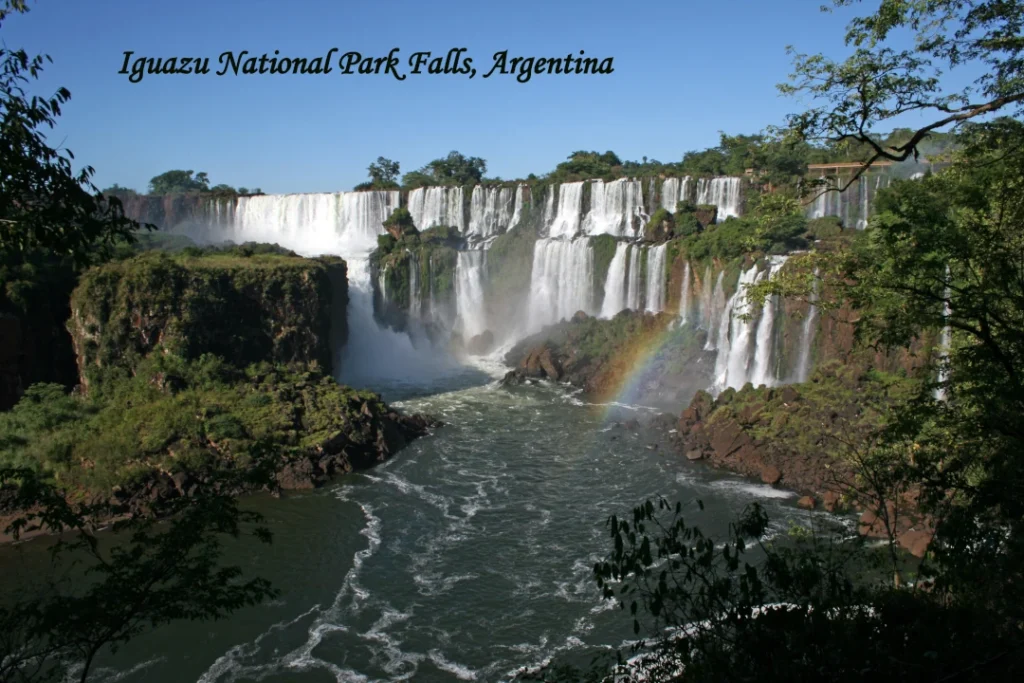
One of the world’s great natural wonders, with 275 individual cascades spread across Iguazú National Park (a UNESCO World Heritage Site since 1984). The Garganta del Diablo (Devil’s Throat) walkway is the must-see viewpoint. Fly into Cataratas del Iguazú International Airport (IGR). Buy park entry only via the official Administración de Parques Nacionales ticket portal or the park concessionaire’s site, iguazuargentina.com.
Highlights:
- Garganta del Diablo (Devil’s Throat) — the must-see viewpoint, a horseshoe-shaped chasm where the largest volume of water plunges roughly 80 meters, reached via a scenic walkway over the river
- Upper and Lower Circuits — trails offering different vantage points across the falls, from panoramic overlooks to close-up spray-soaked walkways
- Subtropical rainforest surrounds — home to toucans, coatis, and butterflies, adding a wildlife dimension beyond the falls themselves
- Boat excursions — optional rides that take visitors close to the base of the cascades for a fully immersive experience
Getting there: Fly into Cataratas del Iguazú International Airport (IGR), the closest airport to the park.
Tickets: Park entry should be purchased only through official channels — the Administración de Parques Nacionales ticket portal or the park concessionaire’s site, iguazuargentina.com — to avoid third-party markups or scams.
3. Mendoza
Argentina’s premier wine region at the foot of the Andes, famous for Malbec. Visit bodegas in Luján de Cuyo and the Uco Valley, and combine tastings with Andean scenery. Nearest airport: Governor Francisco Gabrielli International Airport (MDZ).
At the foot of the towering Andes, Mendoza is Argentina’s premier wine region and one of the great Malbec destinations of the world. Sun-drenched vineyards stretch across high-altitude desert terrain, producing bold reds shaped by cool mountain nights and abundant sunshine.
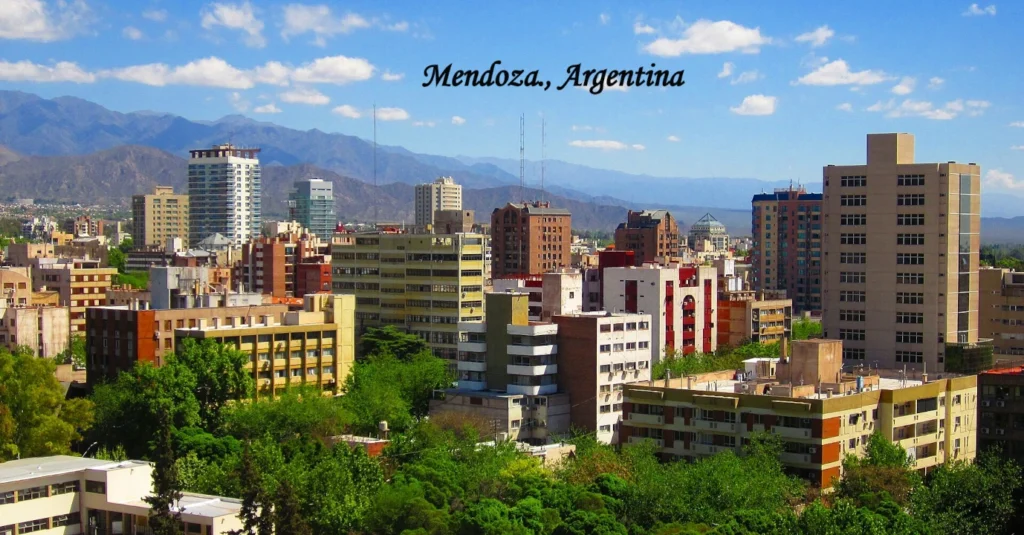
Base yourself in Luján de Cuyo, home to some of the country’s oldest and most storied bodegas, then venture into the Uco Valley, where boutique wineries pair cutting-edge architecture with panoramic views of snow-capped peaks. Many estates offer guided tastings, vineyard tours, and Andean-inspired dining — some even paired with horseback rides or bike tours through the vines.
Beyond wine, Mendoza rewards outdoor lovers with rafting, hiking, and mountaineering trips into the Andes, including views of Aconcagua, the tallest peak in the Americas.
Nearest airport: Governor Francisco Gabrielli International Airport (MDZ)
4. Bariloche
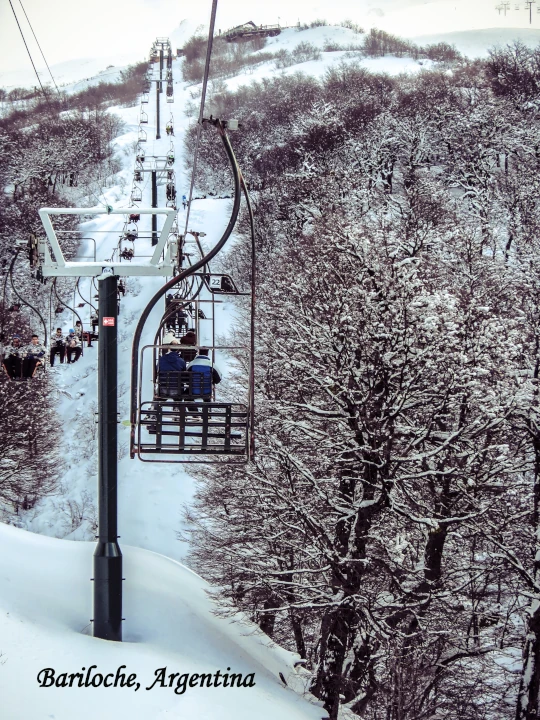
Set on the shores of Nahuel Huapi Lake amid the forested peaks of Patagonia’s Lake District, San Carlos de Bariloche blends alpine charm with dramatic natural scenery. Swiss and German immigrants left their mark on the town’s architecture, giving it a distinctly Alpine feel — all steep roofs, timber facades, and cozy chocolaterías lining the streets. Bariloche is famous for its chocolate, with artisanal shops offering tastings and elaborate window displays year-round.
Just outside town, the Circuito Chico is one of Argentina’s most scenic drives, winding past lakes, forests, and viewpoints over the Andes — easily done by car, bike, or organized tour.
In winter, Bariloche transforms into Argentina’s premier ski destination, with Cerro Catedral drawing skiers and snowboarders from across South America. In warmer months, the region shifts to hiking, kayaking, and lake excursions, making it a year-round outdoor hub.
Nearest airport: San Carlos de Bariloche Airport (BRC)
4. Patagonia (El Calafate & El Chaltén)
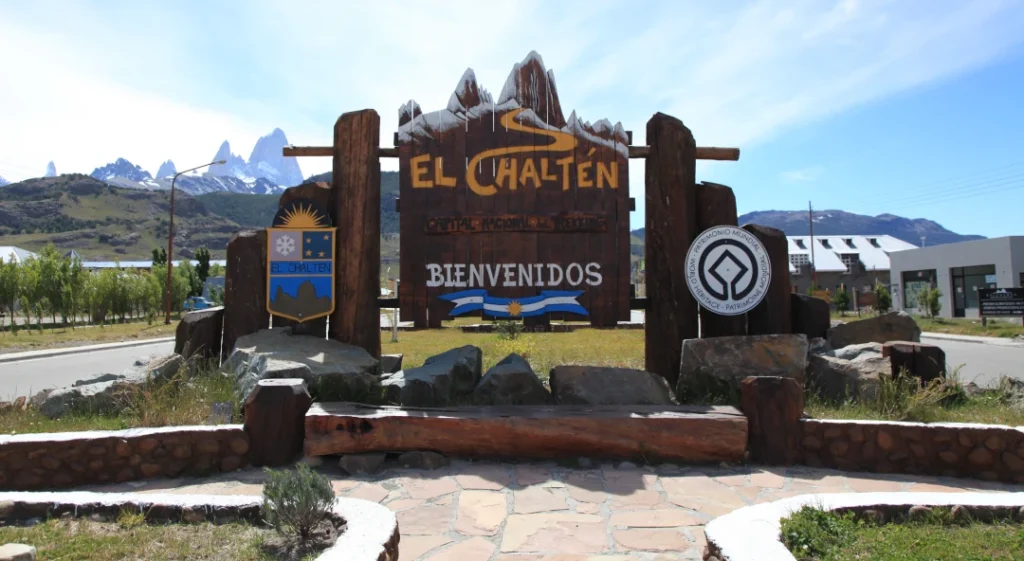
El Calafate is the gateway to the Perito Moreno Glacier, one of the few advancing glaciers in the world, inside Los Glaciares National Park. El Chaltén, Argentina’s National Trekking Capital, sits beneath the iconic Fitz Roy peak. Nearest airport: Comandante Armando Tola International Airport (FTE) in El Calafate. Learn more via the official regional tourism site, Patagonia Argentina — Ente Oficial Regional de Turismo.
10-Day Argentina Itinerary (2026)
| Days | Destination | Highlights |
|---|---|---|
| Day 1–2 | Buenos Aires | Recoleta Cemetery, Plaza de Mayo, La Boca/Caminito, San Telmo, tango show, business district (Puerto Madero) |
| Day 3–4 | Iguazú Falls | Argentine side circuits (Garganta del Diablo, Upper & Lower Trails), boat safari, optional Brazil-side day trip |
| Day 5–6 | Mendoza | Malbec wineries in Luján de Cuyo & Uco Valley, Andes foothills, olive oil tasting |
| Day 7–8 | Bariloche | Nahuel Huapi Lake, Circuito Chico, Cerro Campanario viewpoint, chocolate tasting |
| Day 9–10 | Patagonia: El Calafate & El Chaltén | Perito Moreno Glacier boardwalks/boat tour, Fitz Roy viewpoint trek in El Chaltén |
Domestic flights (roughly 1.5–3 hours each) connect these regions efficiently — book through Aerolíneas Argentinas, the national carrier, or compare with other domestic operators. Business travelers with limited time can shorten this to a 4–5 day Buenos Aires + Iguazú combination.
Air Ticket Booking Flight
Travel Guidelines and Tips for 2026
- Entry requirements: Confirm visa-exemption status and permitted stay length on the Dirección Nacional de Migraciones site before booking.
- Currency: The Argentine Peso (ARS) fluctuates; carry a mix of cards and cash, and use official bank ATMs or regulated exchange houses only.
- Best season: September–November and March–May (spring/autumn) offer mild weather nationwide; December–February suits Patagonia trekking; June–August is Andean ski season near Bariloche.
- Health & safety: No mandatory vaccines for most travelers, but check current advisories with your home country’s foreign ministry and travel insurer before departure.
- Business travel: Buenos Aires has a well-connected business district (Puerto Madero/Catalinas); confirm any commercial-visa requirements directly with Argentine immigration if traveling on business rather than tourism.
- SIM & connectivity: Local SIM/eSIM options are available at EZE and AEP airports on arrival.
- Book official tickets only: For national parks (like Iguazú), always purchase through the official Administración de Parques Nacionales portal, never third-party resellers or social media links.
Tourist Places in Argentina: Definitions & Official Airport / Ticket Booking Links
| Destination | Nearest Airport (IATA) | Official Booking / Info Link |
|---|---|---|
| Buenos Aires | EZE (international) / AEP (domestic) | aa2000.com.ar |
| Iguazú Falls | IGR | Parques Nacionales – ventaweb.apn.gob.ar |
| Mendoza | MDZ | aa2000.com.ar |
| Bariloche | BRC | aa2000.com.ar |
| El Calafate | FTE | aerolineas.com.ar |
“Tourist place” here refers to a nationally or regionally recognized site — a national park, monument, or urban landmark — officially managed by a government body (such as the Administración de Parques Nacionales) or municipal tourism authority, where entry, safety standards, and ticketing are formally regulated.
Checklist for Families Travelling with Infants
- Valid passport for the infant (required even for newborns); check if a notarized parental consent letter is needed if only one parent is traveling.
- Pack extra formula, diapers, and baby food for at least 48 hours beyond your itinerary in case of flight delays.
- Confirm bassinet/infant seat availability with your airline in advance (Aerolíneas Argentinas and international carriers offer limited bassinet rows).
- Carry a copy of the infant’s vaccination record.
- Choose accommodations with crib (“cuna”) availability — confirm directly with the hotel before arrival.
- At Iguazú, use the accessible ecological train and paved walkways rather than longer jungle trails with a stroller.
- Altitude destinations (Mendoza wine routes, Andean crossings) — consult a pediatrician beforehand for infants.
- Keep a printed itinerary and embassy contact details with you at all times.
Types of Tickets and Available Tour Plans
- Domestic flight tickets: Economy, Flex, and Premium fare classes via Aerolíneas Argentinas and other domestic carriers.
- National park entry tickets: Single-day general admission, multi-day passes, and an Annual Pass (valid 12 months across all national parks) available for Iguazú and other protected areas.
- Group tours: Fixed-departure small-group trips covering multiple regions (e.g., Buenos Aires + Iguazú + Patagonia).
- Tailor-made/private tours: Custom itineraries with private guides and flexible dates, suited to business travelers extending a trip.
- Self-drive packages: Rental-car itineraries for regions like Mendoza’s wine route or Bariloche’s Lake District.
- Day-trip add-ons: Boat safaris, full-moon walks at Iguazú, glacier trekking (mini-trekking/ice-hiking) at Perito Moreno.
Local Transport in Argentina
- Domestic flights: Fastest way between regions; book via Aerolíneas Argentinas.
- Long-distance buses: Extensive and comfortable “cama”/”semi-cama” coach network connecting cities and Patagonia.
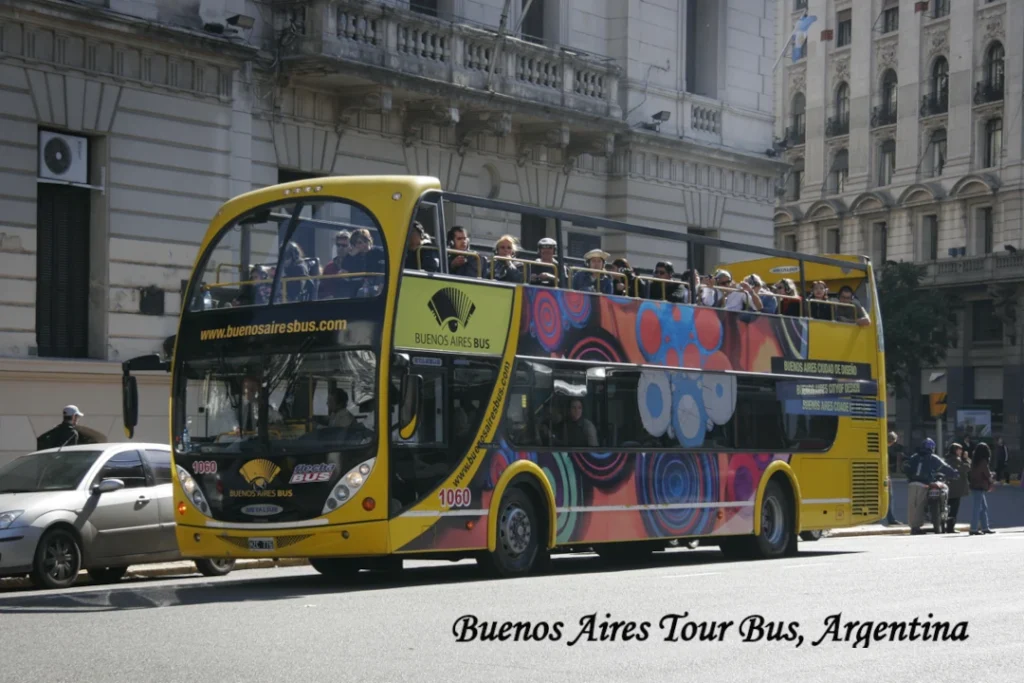
- Buenos Aires Subte (metro) and buses (“colectivos”): Use the rechargeable SUBE card, available at kiosks and metro stations.
- Ride-hailing apps: Uber and Cabify operate in Buenos Aires and other major cities; radio taxis are widely available and metered.
- Car rentals: Useful for Mendoza’s wine route and Bariloche’s Circuito Chico; an International Driving Permit is recommended.
Tour Operators for Argentina Trips
1. Say Hueque — An Argentina-based destination management company operating since 1999, specializing in tailor-made and small-group trips across Argentina and Chile, including Patagonia, Iguazú Falls, and Buenos Aires. Official site: sayhueque.com.
2. Aerolíneas Argentinas Vacaciones — The national carrier’s own vacation-packages division, useful for bundling flights, hotels, and local tours within Argentina under one official booking. Official site: aerolineas.com.ar.
Preferred Hotels for Accommodation
1. Alvear Palace Hotel (Buenos Aires) — A historic five-star hotel in the Recoleta district, popular with both business and leisure travelers for its central location near embassies and corporate offices.
2. Llao Llao Resort, Golf-Spa & Hotel (Bariloche) — An iconic lakeside resort in the Nahuel Huapi National Park area, known for panoramic Andean views and outdoor activities.
Food Facilities Inside Tourist Places
- Iguazú National Park: Cafeterias and restaurants near the visitor center (Argentine side) serve regional dishes and quick bites; carry water on the longer trails.
- Buenos Aires: Traditional parrillas (steakhouses), cafés, and Puerto Madero waterfront restaurants suited for both tourists and business dinners.
- Mendoza wineries: Many bodegas offer on-site restaurants pairing regional cuisine with wine tastings.
- Bariloche: Chocolate shops, lakeside cafés, and Patagonian lamb restaurants in the town center.
- El Calafate/El Chaltén: Cafés near glacier boardwalks and trailhead towns; pack snacks for longer treks in El Chaltén, where facilities are limited once on the trail.
Frequently Asked Questions
1. What is the best time to visit Argentina in 2026?
September to November and March to May offer the mildest weather nationwide. December to February is best for Patagonia trekking, while June to August suits ski trips near Bariloche.
2. Do I need a visa to visit Argentina as a tourist?
Requirements vary by nationality. Many visitors are visa-exempt for stays up to 90 days, but you should always confirm current rules on the official Dirección Nacional de Migraciones website before booking.
3. How many days are enough to see Argentina’s main highlights?
Ten days is a comfortable minimum to cover Buenos Aires, Iguazú Falls, Mendoza, Bariloche, and Patagonia (El Calafate/El Chaltén). Shorter 4–5 day trips can focus on Buenos Aires and Iguazú.
4. Which airport should I fly into for Buenos Aires?
International flights land at Ministro Pistarini/Ezeiza International Airport (EZE); domestic and regional flights typically use Aeroparque Jorge Newbery (AEP), both managed by Aeropuertos Argentina.
5. Where do I buy official tickets for Iguazú Falls?
Only through the official Administración de Parques Nacionales portal at ventaweb.apn.gob.ar or the park concessionaire’s site, iguazuargentina.com. Avoid third-party resellers.
6. Is Argentina suitable for business travel combined with tourism?
Yes. Buenos Aires has a well-developed business district (Puerto Madero), reliable transport, and international-standard hotels, making it easy to extend a work trip with a short Iguazú Falls or Mendoza add-on.
7. Is Argentina safe and family-friendly for travelers with infants?
Argentina is generally considered family-friendly, with accessible facilities at major sites like Iguazú Falls (paved trails, ecological train). Standard precautions apply, as with any international destination — keep documents secure and monitor local advisories.
8. What currency should I use in Argentina, and can I pay by card?
The Argentine Peso (ARS) is the local currency. Cards are widely accepted in cities, but it’s wise to carry some cash for smaller towns, markets, and tips. Use official bank ATMs or regulated exchange houses only.
Official & Authentic Travel and Government Links
- Argentina.gob.ar – Secretariat of Tourism, Environment and Sports
- Argentina.travel – Official National Tourism Promotion Site
- Dirección Nacional de Migraciones – Entry & Visa Requirements
- Administración de Parques Nacionales – National Parks Authority
- Official National Park Ticket Portal
- Patagonia Argentina – Official Regional Tourism Board
- Aeropuertos Argentina (AA2000) – Official Airport Operator
- Aerolíneas Argentinas – National Airline
- Protection Plan for Tourism Consumers – Argentina.gob.ar
visit our otherBlogs
Ultimate Australia 14 Day Trip Sydney and Great Reef
Schengen Visa Guide 2026: Requirements & Tips
Sydney Tourism Guide: Top Attractions for 2026
Final Thoughts
Argentina in 2026 rewards travelers who mix planning with flexibility — a country this size, spanning tango-filled city streets, Andean vineyards, jungle waterfalls, and glacier-carved Patagonia, rarely disappoints whether you have 4 days or 14. The single best habit to build into your trip: book flights, park entries, and tours only through official channels (aa2000.com.ar, aerolineas.com.ar, ventaweb.apn.gob.ar, argentina.travel), since unofficial resellers are the most common source of scams for both first-time tourists and business travelers bolting on a few vacation days. Start with Buenos Aires and Iguazú Falls if your time is limited, and save Patagonia for when you can give it the days it deserves — it’s not a place to rush.



Leave a Reply